
.png&w=1920&q=75)
목차
- 1. When making Japanese product detail pages, you first need to make sure the information flows logically from start to finish
- 2. Japanese detail page design should match how shoppers actually make buying decisions
- 3. You need to structure your detail page info differently depending on the product category
- 4. Japan-market exclusive templates need to take language, info, and page structure into account all at once
- 5. Boost Your Japanese Detail Page Game with Draph Art AI
- Connect everything into one smooth ride—from putting in product info to getting a finished page
- 💡 Frequently AskedQuestions (FAQ)

As the reach of cross-border e-commerce expands, global sellers often translate the original text of their existing product detail pages into Japanese to make creating overseas content easier. However, just changing the language doesn't mean market localization is complete. Especially in the Japanese market, you need to think about more than just Japanese phrasing, how product info is laid out, the key details to highlight for each category, and whether certain advertising or efficacy expressions can be used as-is. So, when creating product detail pages for the Japanese market, don't just stop at translating existing content into Japanese. It's important to tweak the wording, info structure, and detail page design to fit Japan, resulting in content that feels much more natural for the local market environment rather than just a simple Japanese version.
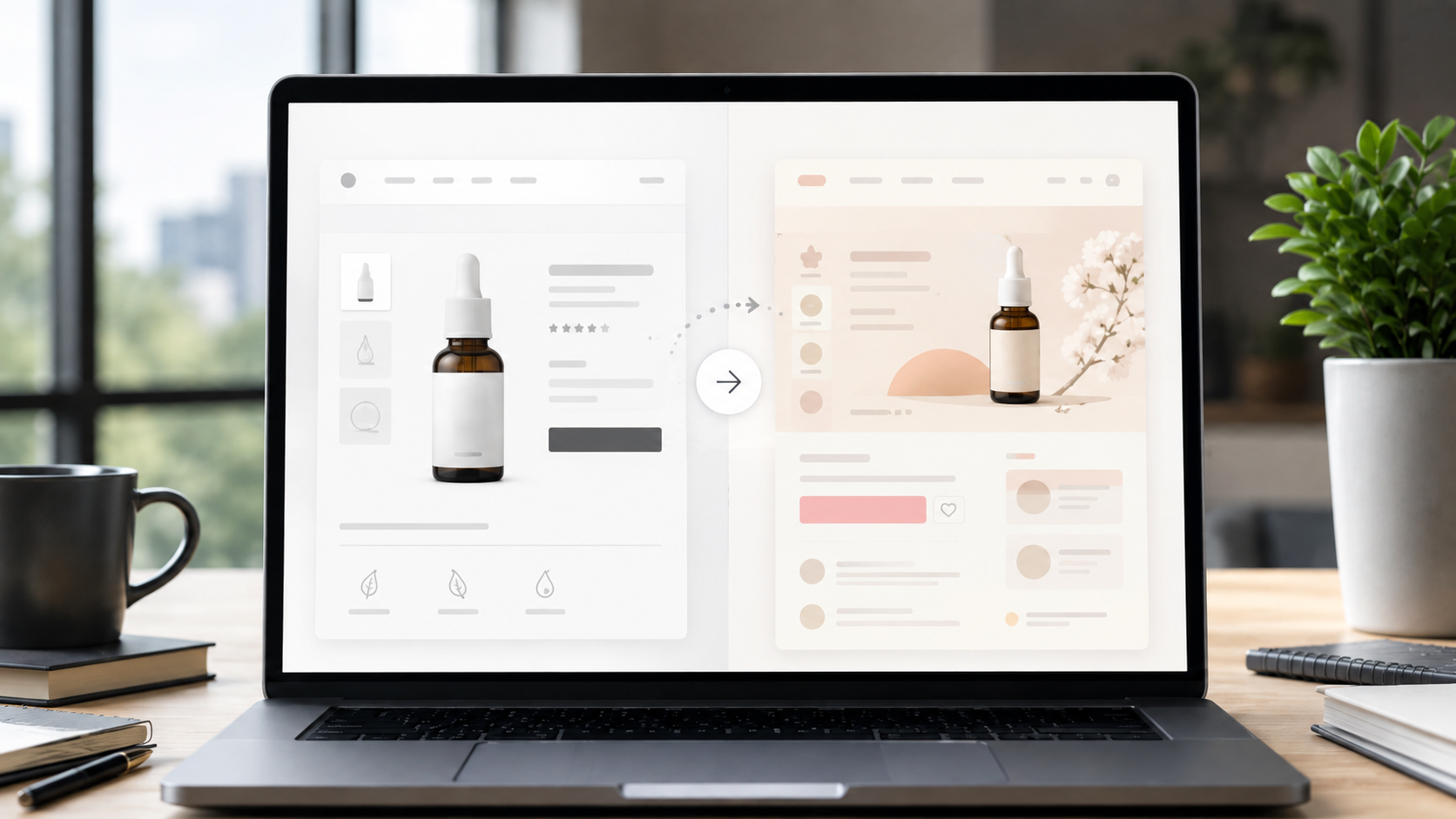
Draph Art is an AI-powered detail page generator for global sellers getting ready to launch in Japan, helping you create product styling images, use-case shots, detail shots, sales copy, and a fully finished detail page layout from just a single product photo. It automatically drops your content into templates built with the latest e-commerce design trends, cutting down on repetitive shoots and design work so you can create Japan-market detail pages much more efficiently.
💡 3-Line TLDR for Busy People
|
1. When making Japanese product detail pages, you first need to make sure the information flows logically from start to finish
Connecting product images, key selling points, and detailed info with one clear logic
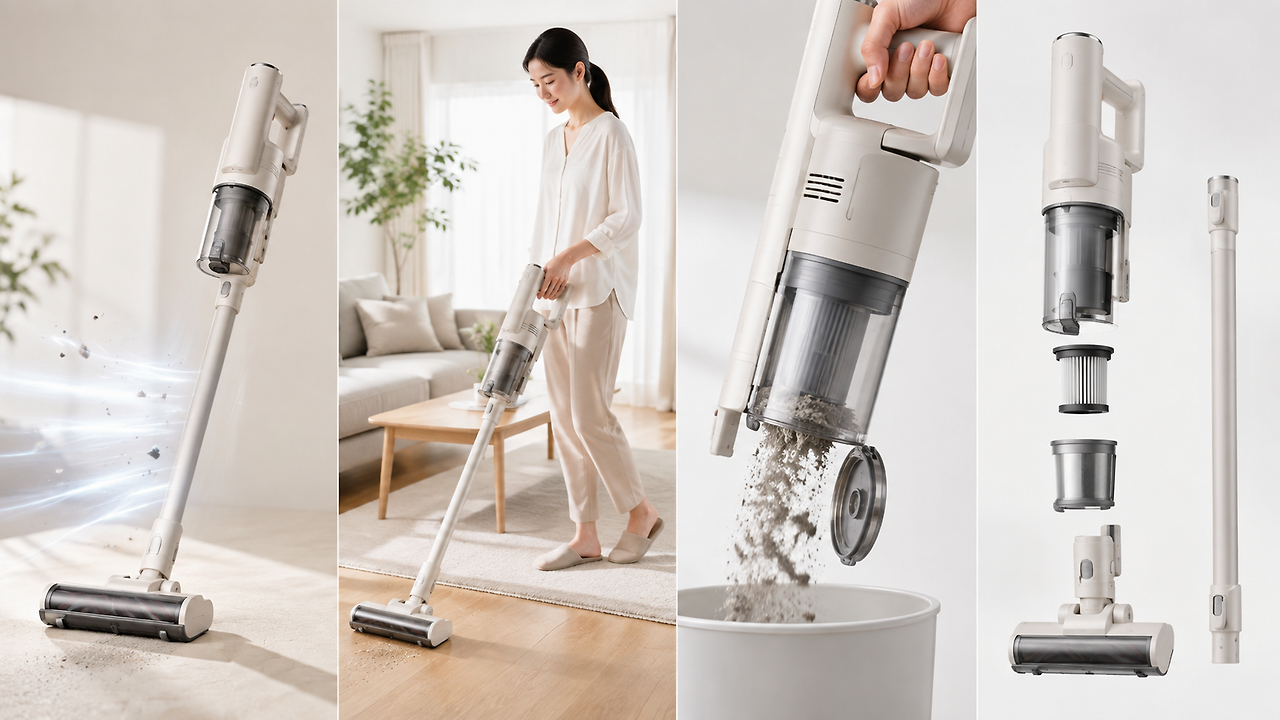
A well-made product detail page usually consists of several modules like a main visual, key selling points, use-case shots, feature explanations, detail shots, and product specs. Even though these pieces are spread out across the page, shoppers take them in as a single connected system of info. Because of this, when designing a detail page, it's more important to check that the content flows naturally from the top to the bottom and shares consistent info, rather than just finishing each image, bit of text, or spec separately.
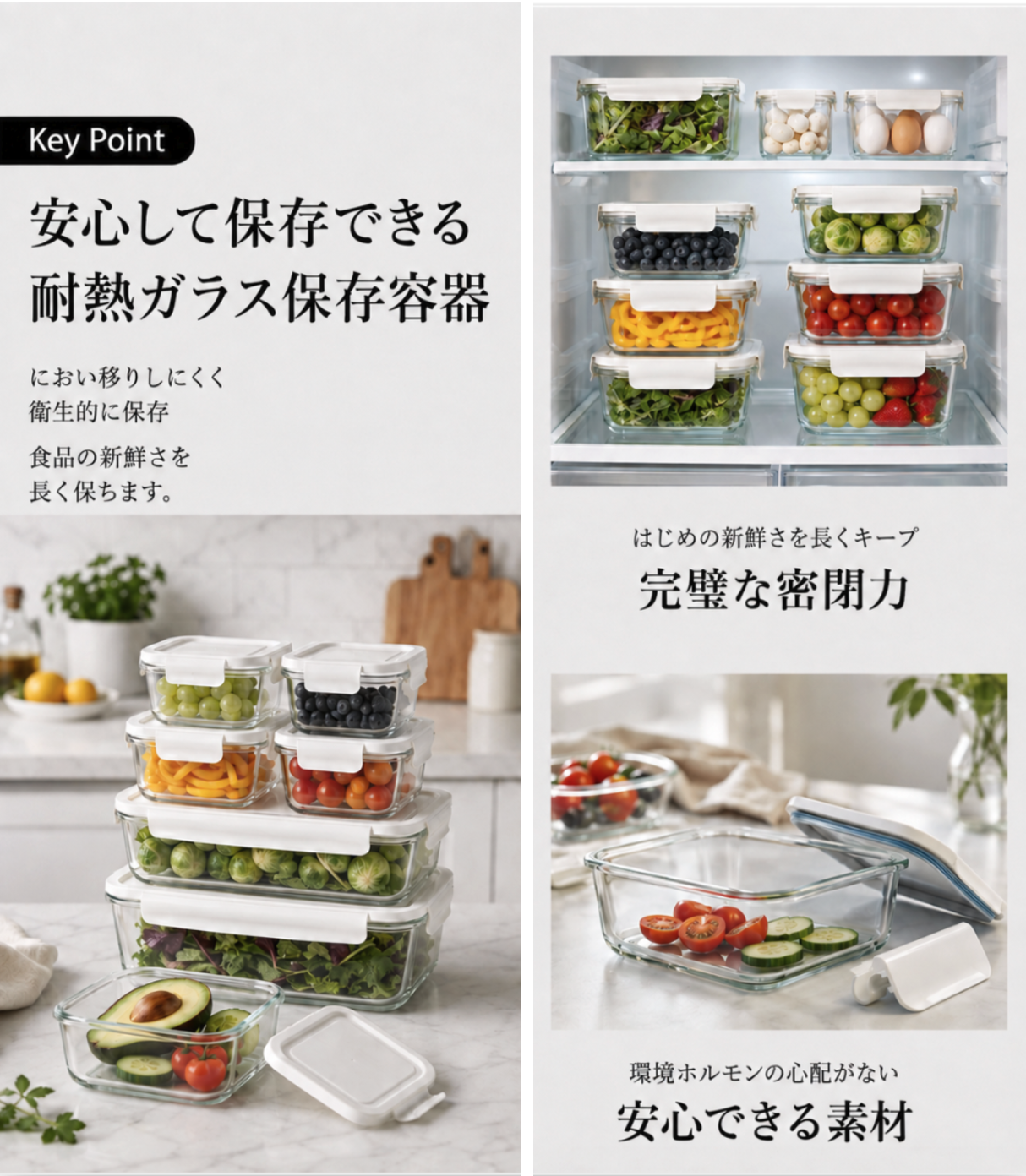
The product benefits highlighted near the top of the page should be backed up more specifically in the later use-case shots, feature explanations, and detailed info. Even if you use AI background generation to create your images, the product features shown in those pictures need to match the actual product info. If different sections of the page emphasize different things, or if the main selling points from the top aren't properly reinforced later on, the overall persuasiveness of your detail page will drop, even if each individual module looks fine.
Therefore, for Japanese product detail pages, you need to connect your core product features, images, sales copy, feature info, and detailed specs into a single smooth flow, making sure shoppers can build up their understanding of the product step-by-step as they scroll down.
2. Japanese detail page design should match how shoppers actually make buying decisions
Stepping naturally from core features to use cases and detailed info
When it comes to detail page design, what matters most isn't how much info you cram onto the page, but how you lay it out so shoppers can understand the product in a natural order. Once shoppers land on a product page, they first check what kind of product it is and what its main features are. Then, they look through the actual usage photos, specific features, materials, sizes, and other purchase-related info to decide whether to buy.

So, when putting together a Japanese product detail page, it's best to show off the core features and main visual first, followed naturally by actual use cases, key functions, points of difference, detailed specs, and buying info. This helps keep you from repeating the same selling point all over the page, and stops super important purchase info from getting buried too far down.
From this perspective, Japanese detail page design isn't just about making things look pretty—it's the process of planning the priority and order of your information beforehand so shoppers can easily understand the product following a clear flow.
3. You need to structure your detail page info differently depending on the product category
Adjusting the page's core info to fit the product type rather than using the exact same template for everything
Depending on the product category, the info shoppers care about most while making a purchase can vary a lot. Because of this, instead of slapping the exact same content structure onto every single product on a Japanese detail page, you need to focus on the specific info and content that fits each product type. For example, for cosmetics and health-related items, ingredients, product features, and how to use them are super important. For food, you need to highlight raw ingredients, storage, and consumption info. For fashion, clearly showing materials, sizing, and fit info is key, and for furniture and home goods, giving a good look at sizes, materials, real-life use cases, and product details helps shoppers make up their minds.

So, when making Japanese detail pages, you first need to figure out what info shoppers care about most based on the product category, and then adjust your content modules and the order info appears accordingly. This cuts down on fluff that isn't really relevant to the product while keeping you from missing the key details people need to make a purchase. If you're a global seller running multiple product categories at once, setting up category-specific detail page structures ahead of time will help you keep your detail page creation and detail page design consistent and efficient down the road.
4. Japan-market exclusive templates need to take language, info, and page structure into account all at once
Switching from a 'Japanese-translated page' to a 'Japan-market localized template'
If you just directly translate Korean or English detail pages into Japanese, the only thing that changes is the language—the original sales phrasing, info order, and page structure stay exactly the same. However, in the Japanese market, the scope of what you can say in your advertising copy, promotional text, efficacy/effect claims, and product descriptions can vary depending on the product category. Because of that, simply translating and using marketing copy that worked in other markets isn't always the right move.
Categories like cosmetics, health products, and quasi-drugs especially need to comply with Japan's local laws and advertising standards when making efficacy claims, guarantees, or definitive statements. Therefore, when making Japanese product detail pages, you shouldn't just check if the Japanese translation is accurate—you also need to review whether the phrasing fits the product category and the Japanese market.
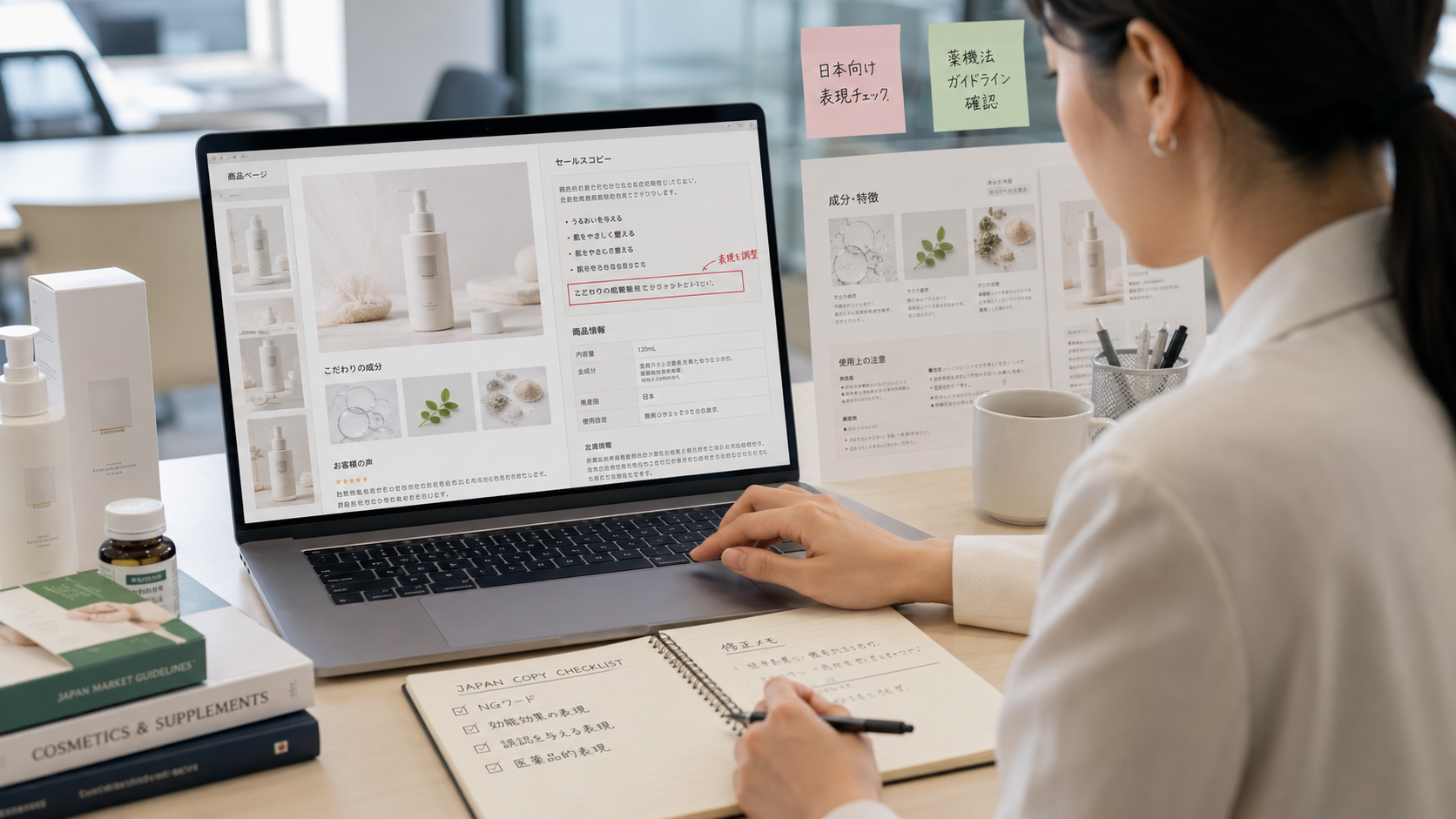
Ultimately, the secret to making a great Japanese product detail page isn't finishing a page for another market first and just swapping the words to Japanese—it's localizing language, product info, and page structure all at the same time. If you set up Japan-exclusive templates in advance, you can easily create detail pages based on that existing info structure whenever you drop a new product, and cut down on repetitive tasks like re-translating or rearranging your page layout later on.
| Key to Japanese Detail Page Creation | What to Check | Production Direction |
| Info Consistency | Whether images, selling points, features, and specs match up smoothly from start to finish | Keeping the flow smooth across your whole product detail page |
| Order of Info Display | Can shoppers easily find the info they need to make a buy decision? | Setting it up step-by-step from key selling points to all the details |
| Product Category | Do different categories need different types of info? | Tweaking page modules to fit the specific product type |
| Language Localization | Are the Japanese phrasing and ad copy a good fit for the Japanese market? | Avoid just doing a word-for-word translation of your old marketing copy |
| Japanese Market Templates | Are the info layout and page modules planned out ahead of time? | Setting up detail page templates you can use over and over again |
To wrap it up, making a product detail page for Japan isn't just about handling the language, images, or design separately—it is a process where you have to look at product info, content layout order, product categories, and market localization all together. Especially for global sellers who need to keep adding new items, doing this from scratch every single time means both the time and cost will keep climbing as your product list grows. So once you've set up templates built specifically for the Japanese market, it's also super important to think about how smoothly you can actually run your day-to-day detail page creation process.
5. Boost Your Japanese Detail Page Game with Draph Art AI
Connect everything into one smooth ride—from putting in product info to getting a finished page
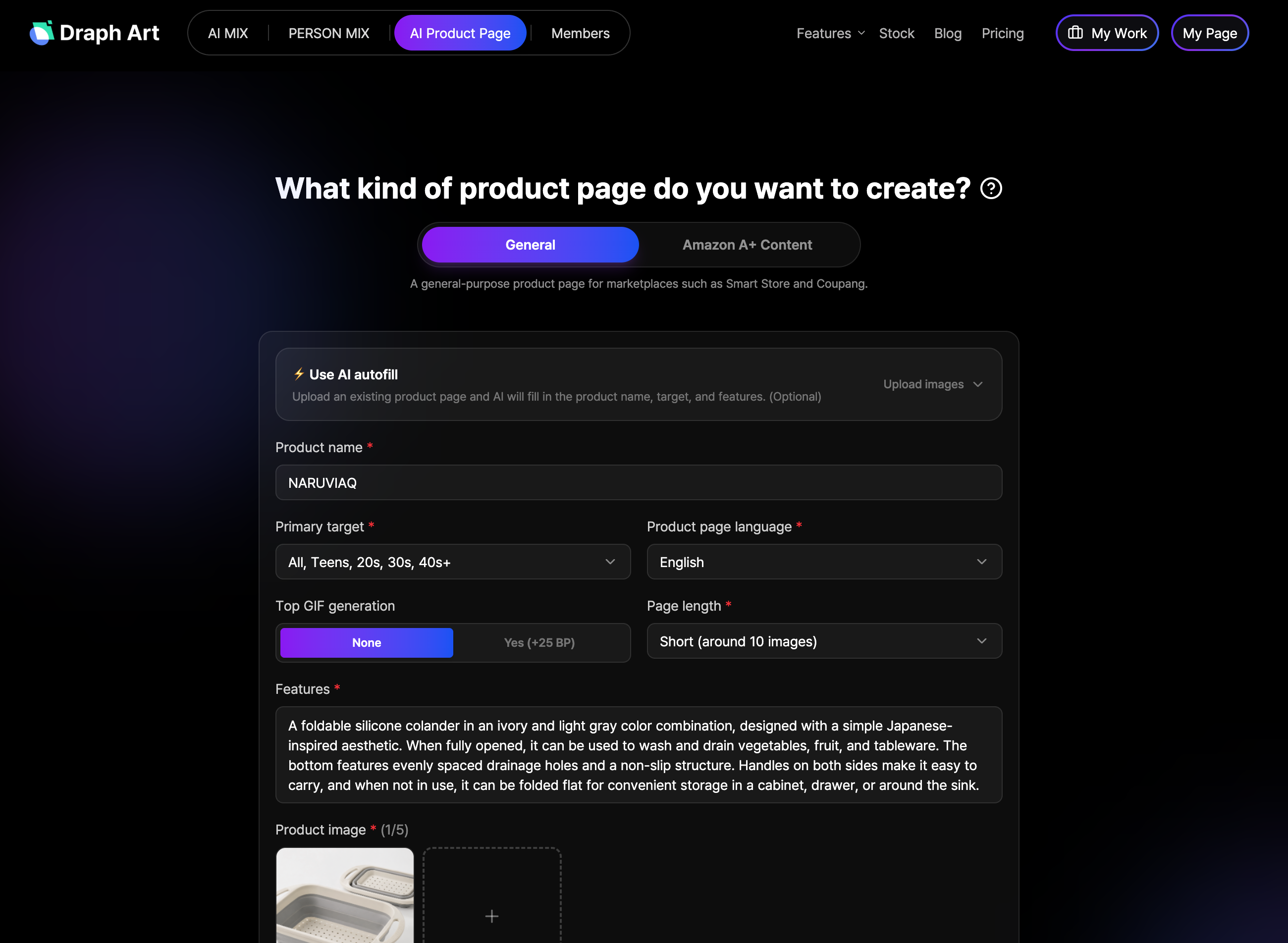
The old way of making detail pages for the Japanese market usually means you have to handle sorting out product info, getting your images ready (like BG Removal), writing sales copy, and designing the page all as separate steps. If your product list gets bigger or you're always dropping new items, you end up jumping back and forth between different tools—including AI image generation sites. This extra busywork can pile up, leading to messy quality and inconsistent layouts from one product to the next.
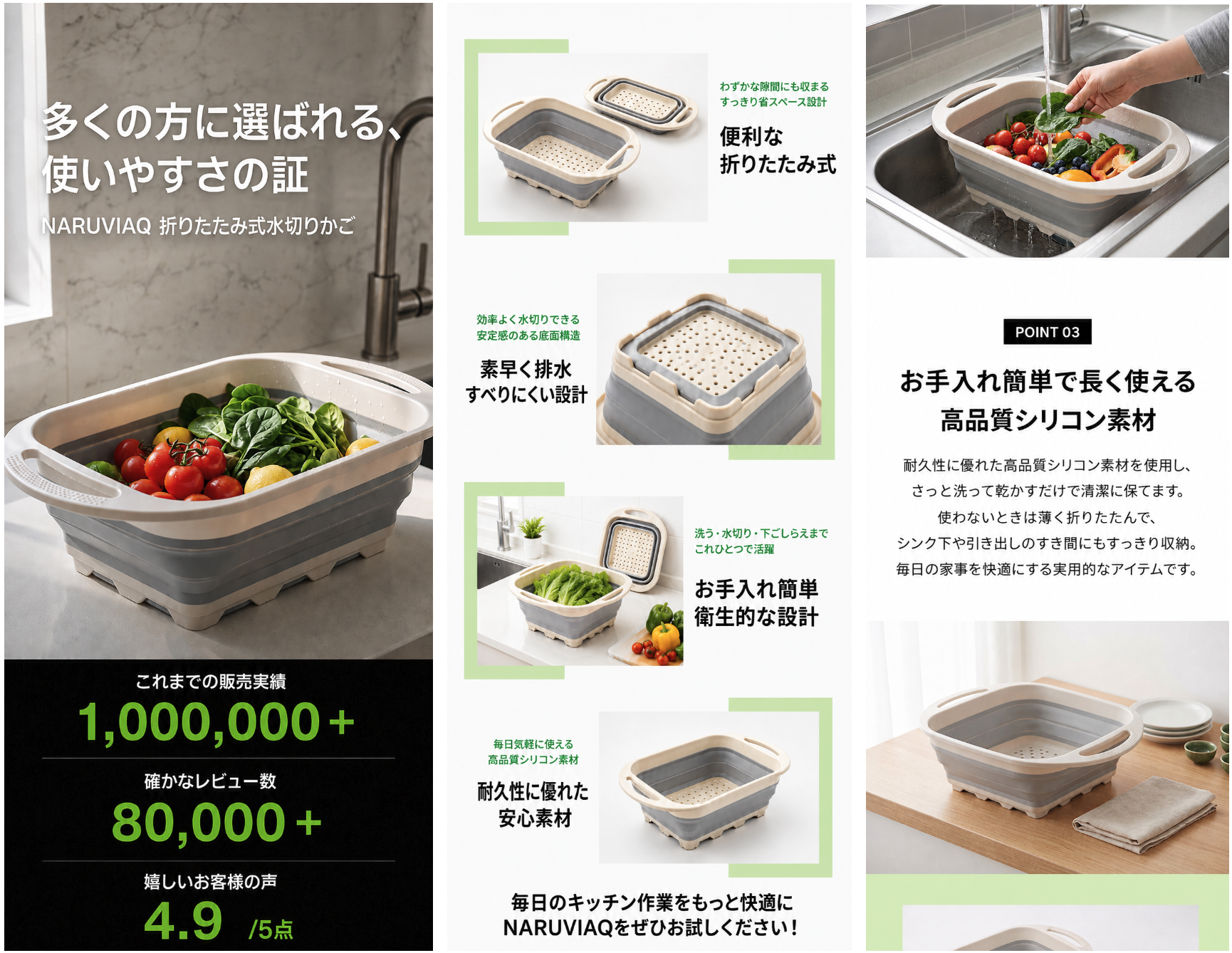
Draph Art lets you smoothly tie this whole creation process into one workflow. Once you upload your product photos and drop in the basics like product name, category, key features, and specs, the system takes that info and whips up your main visual, use-case shots, feature breakdowns, product detail images, and sales copy, all neatly laid out to match the overall detail page structure. For Japanese market templates, you can tweak the page modules and info priority based on the product category, making it way easier to shape the content to fit what makes each item special.
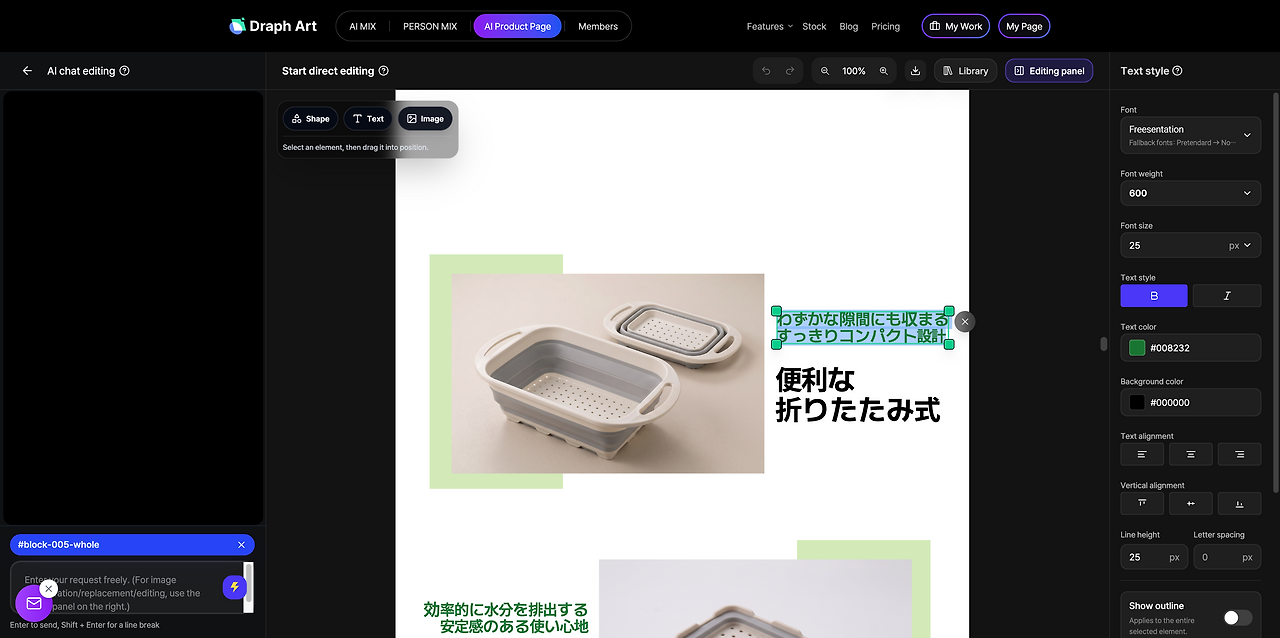
Once it's generated, you can still easily tweak the images, copy, and page modules to match your exact product details. You can just edit the specific parts you want or recreate them on the fly, meaning you never have to build a whole detail page from scratch again. This turns all those scattered tasks—like sorting info, making images, writing copy, and designing pages—into one connected flow, helping global sellers cut down on the repetitive hassle of constantly listing new items in Japan.
💡 Frequently Asked Questions (FAQ)
Q1. What info should I have ready before I start making a Japanese detail page?
A1. Before you dive into making a Japanese detail page, it's best to first gather your basic product info—like product photos, name, category, key features, materials, size, how to use it, and main specs. Since shoppers look for different things depending on the product category, you shouldn't just prep the exact same info for everything. Instead, focus on the details that really help people decide to buy that specific item. The clearer your basic info is, the easier it is to keep your image creation, sales copy, and page design flowing together nicely.
Q2. Can I just use a direct translation of my old detail page copy into Japanese?
A2. Even if you've translated your old Korean or English sales copy into Japanese super accurately, you still need to check if those phrases actually fit the Japanese market and product category. You definitely want to keep local regulations and ad rules in mind, especially for things like claims about effectiveness, safety, or absolute guarantees, depending on what kind of product you're selling.
Q3. What should I look for when picking an AI tool for Japanese detail pages?
A3. When you're hunting for a detail page AI recommendation tool or the best tool for making Japanese detail pages, it's super important to find one that does more than just crank out a single image or piece of copy. Look for something that connects the whole workflow—from plugging in your product info and making images to writing sales copy, designing the page, and letting you tweak things section by section. Especially if you're a global seller dropping products all the time, you'll want to check if it lets you adjust page layouts by category and cut down on repetitive busywork.

.png&w=1920&q=75)
.png&w=1920&q=75)