

목차
- 1. Why do makeup products rely on offline testing more than other items?
- 2.Why is it so hard for typical makeup product pages to help consumers make a choice?
- 3. What do sellers lose when consumers go to offline stores to test products?
- 4. Is one photo really enough to create a complex makeup detail page?
- 5. How does your workflow change with Draph Art?
- Frequently Asked Questions (FAQ)

The reason makeup products rely more on offline testing than typical goods is that standard product pages make it hard for shoppers to know if a product matches their skin tone, skin type, natural lip color, and makeup goals. When it’s tough to decide based on online info alone, people head to physical stores to test colors or get advice from staff. For e-commerce sellers, this often means products get plenty of views, but they don't actually turn into online sales.
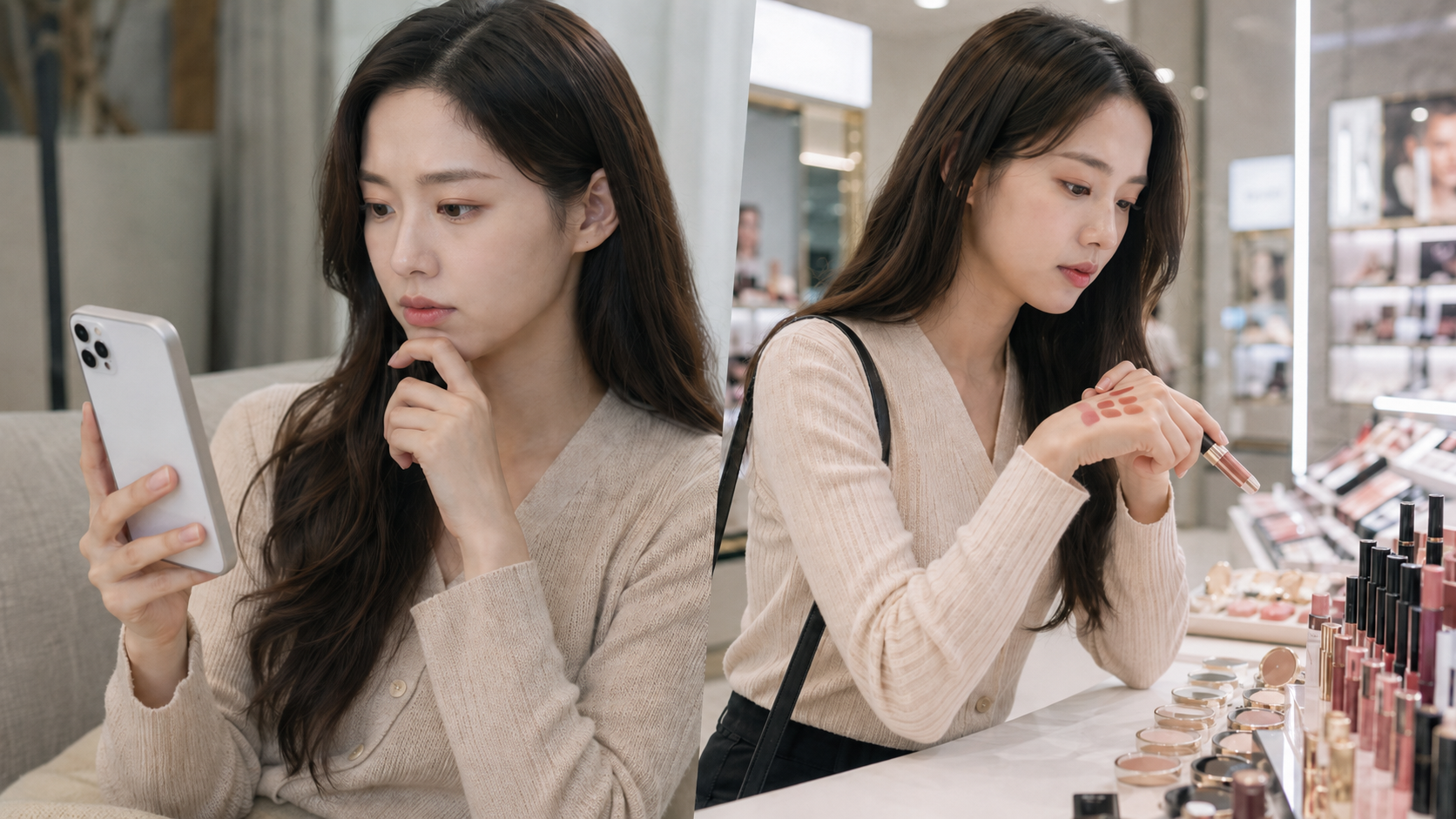
So, a makeup product page needs to do more than just look pretty—it should help customers understand the colors and effects so they can pick the right product for them. Draph Art is an AI-powered e-commerce detail page creator that automatically generates sales points, copy, product visuals, AI models, and page layouts using just one product photo and basic info. You can create local detail pages and Amazon A+ content in about 3 to 10 minutes without needing complex prompts, and you can even generate product thumbnails and marketing images. This helps you provide clear, helpful info about skin tone suitability, actual color payoff, and usage effects that are usually hard for shoppers to figure out online.
💡 TLDR: A 3-line summary for those in a rush
|
1. Why do makeup products rely on offline testing more than other items?
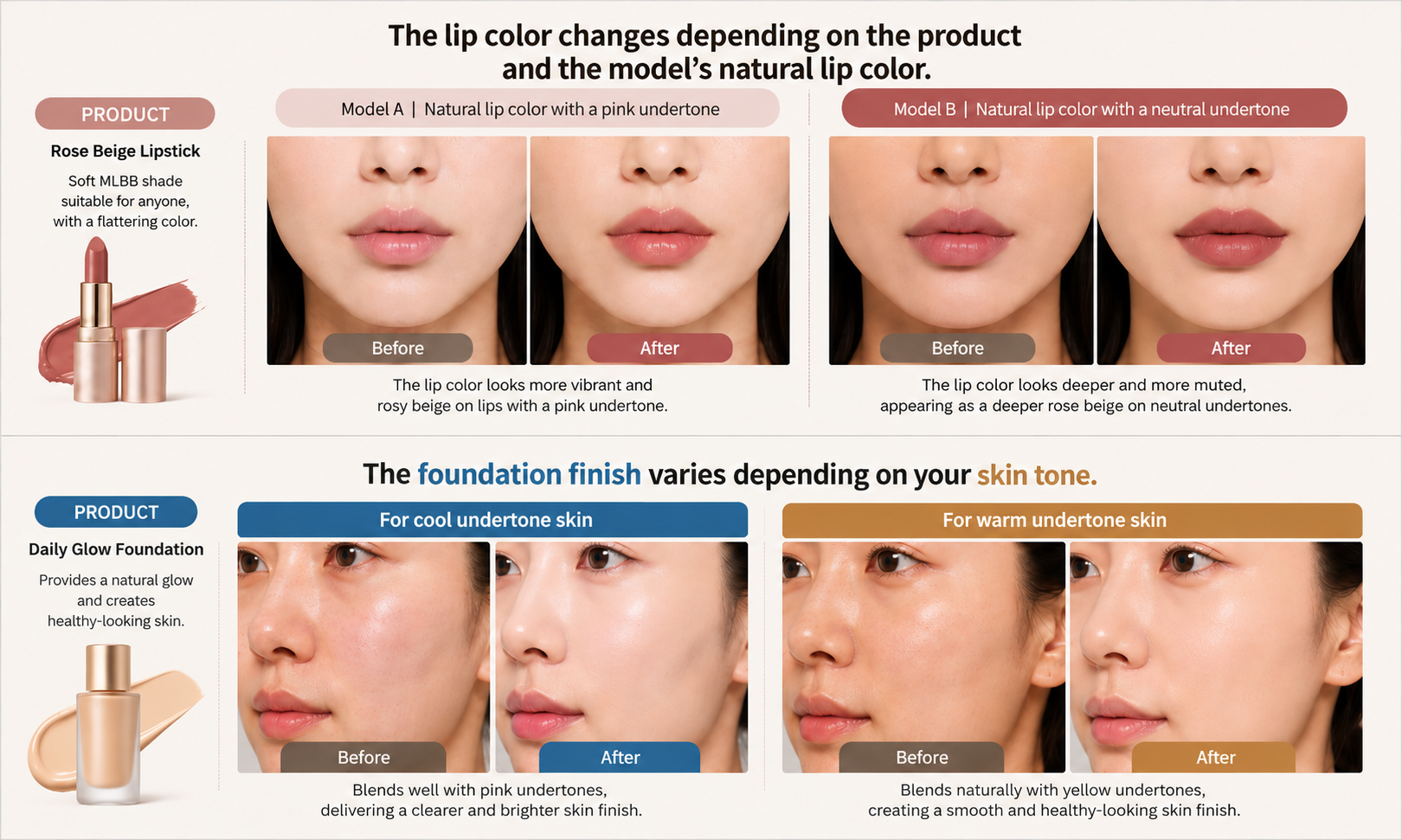
The results from makeup products can really vary depending on who is using them. While shoppers can easily compare daily essentials by size, material, color, and function, products like lipstick, foundation, eyeshadow, or blush don't always look the same on the skin as they do in the bottle or package.
The same product can look totally different based on how it's used. For example, a rose-beige lipstick might look different on someone with pale lips versus someone with darker lips. A foundation might lean too pink or yellow on different skin tones, or it just might not blend naturally.
What shoppers are really wondering isn't just “Does this look pretty?” but “How will this look on my face?”
What makes it hard to judge makeup categories online?
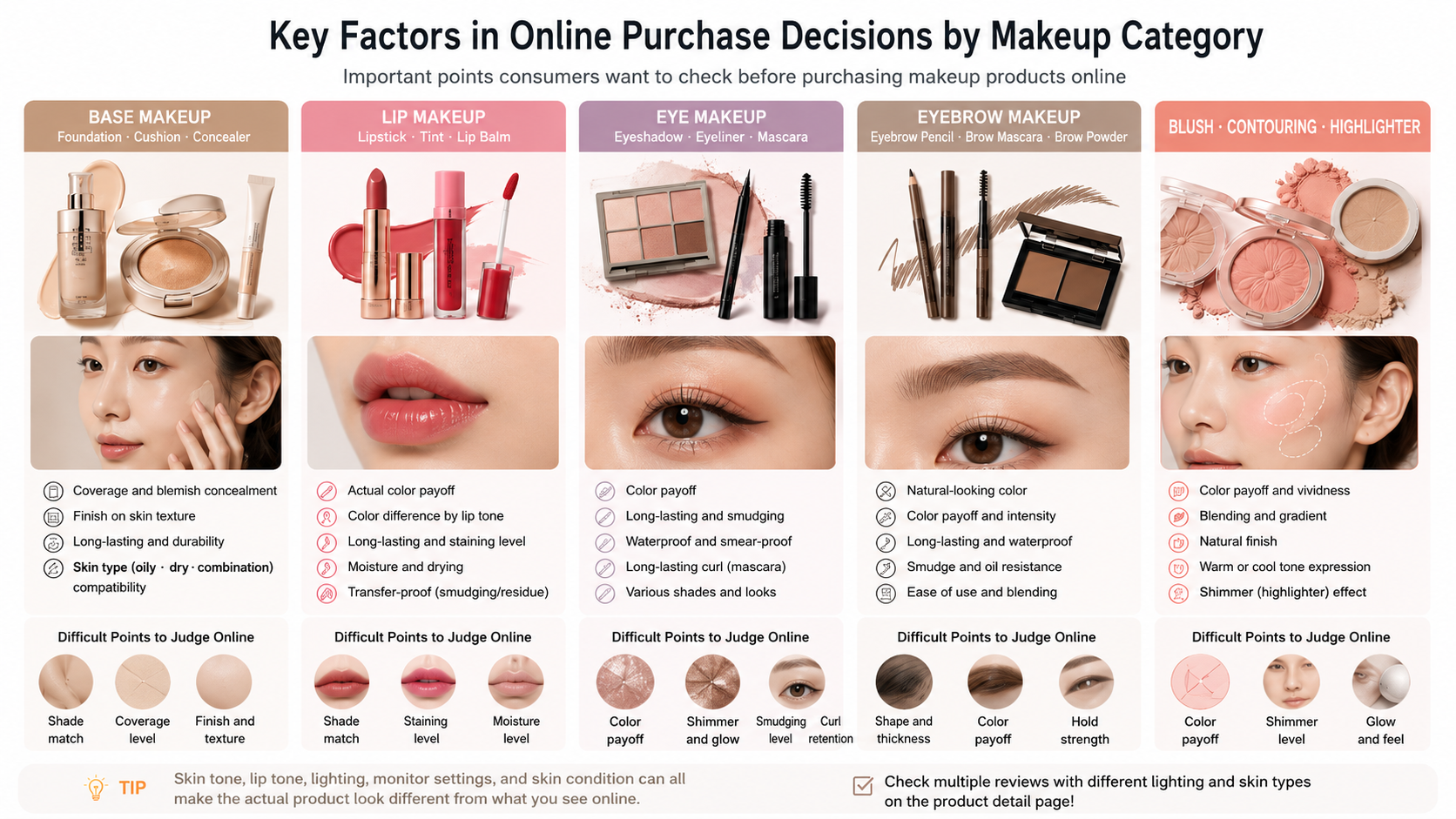
Unlike general goods that can be compared by specs, makeup results depend on the individual.
| Makeup Category | What's hard to judge online | Info to add for better sales |
| Base Makeup | Skin tone matching, cool vs. warm tones, coverage, adherence, oxidation, and longevity | Comparison shots for different skin tones, before-and-after coverage, recommendations by skin type, and how it wears over time |
| Lip Makeup | How natural lip color affects shade, real color payoff, hydration, and glossiness | Comparisons on light vs. dark lips, thin vs. layered application, and color tone/brightness guides |
| Eye Makeup | Actual pigment, pearl/glitter finish, layering, smudging, and staying power | Solo vs. layered comparisons, close-up details, and how it looks in different lighting |
| Eyebrow Makeup | Matching hair and skin tone, color intensity, and staying power | Recommendations by hair color, close-ups of lines, and intensity comparisons |
| Blush, Contour, & Highlighter | Color payoff, blending reach, glow level, and face shape suitability | Contouring effects from different angles and lighting, along with shade shifts |
While the criteria for judgment may vary across makeup categories, the core challenge consumers face remains the same. Product images might show the item itself, but they often fail to fully explain what the actual effect will look like when you use it on yourself.
2. Why is it so hard for typical makeup product pages to help consumers make a choice?
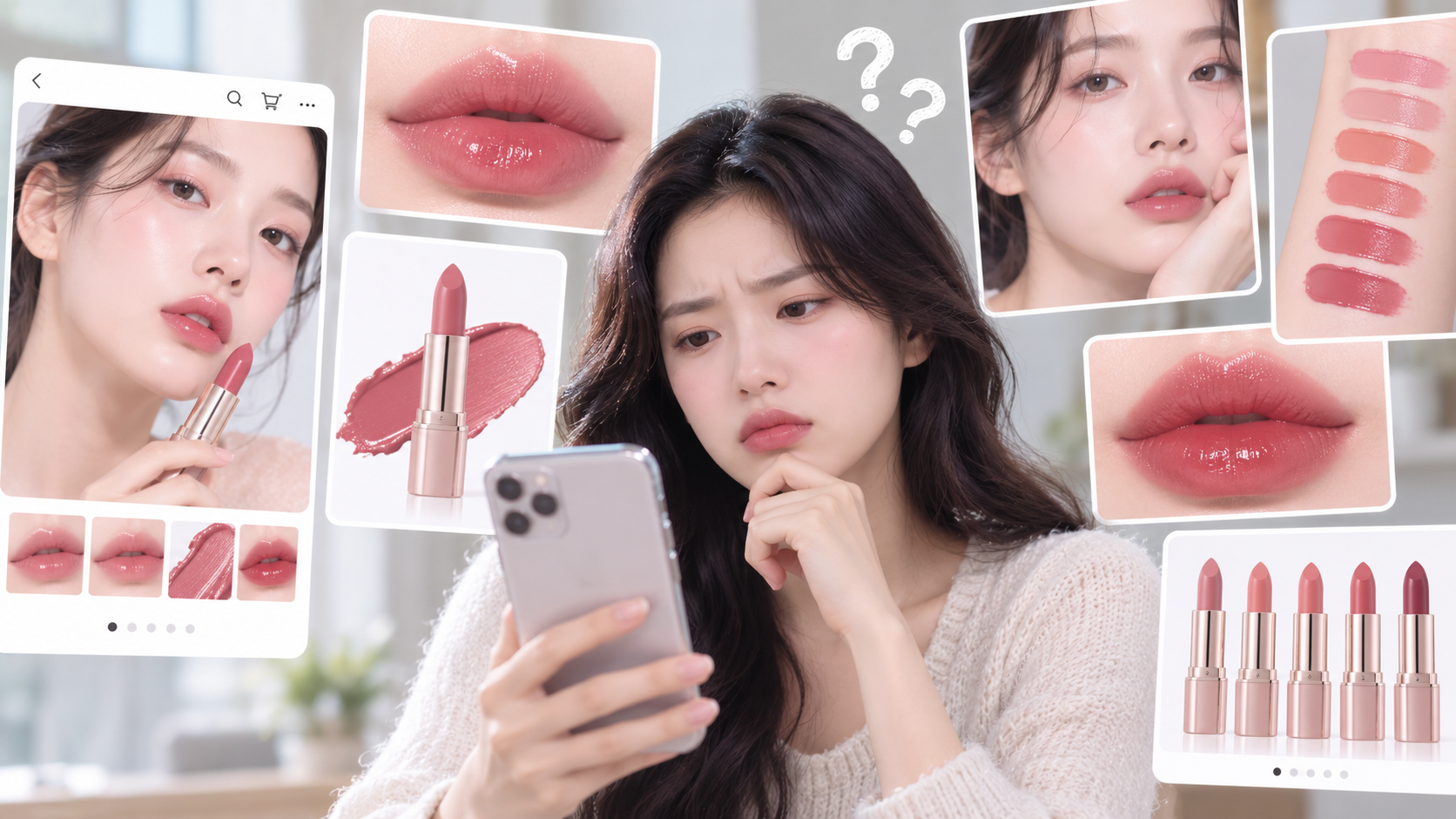
The problem with many makeup product pages isn't a lack of images, but that the information provided is still stuck at just ‘showing the product.’ Often, they fail to provide enough evidence for consumers to judge whether the product is a good fit for them.
① A single display style makes it difficult to account for individual differences among consumers.

The final look of a makeup product can vary based on skin tone, skin type, natural lip color, face shape, and application technique. However, typical product pages usually show just one model, one makeup style, or one usage effect. Even when consumers see high-quality images, it’s hard for them to judge if they will get the same result when using the product themselves.
For example, even if a foundation looks thin and naturally adhered to a model's skin, it doesn't mean it suits all skin types. Also, even if a lip product shows up naturally on light lips, someone with a deeper natural lip color might end up with unexpected results.
② There is plenty of product information, but a lack of clear comparison standards.
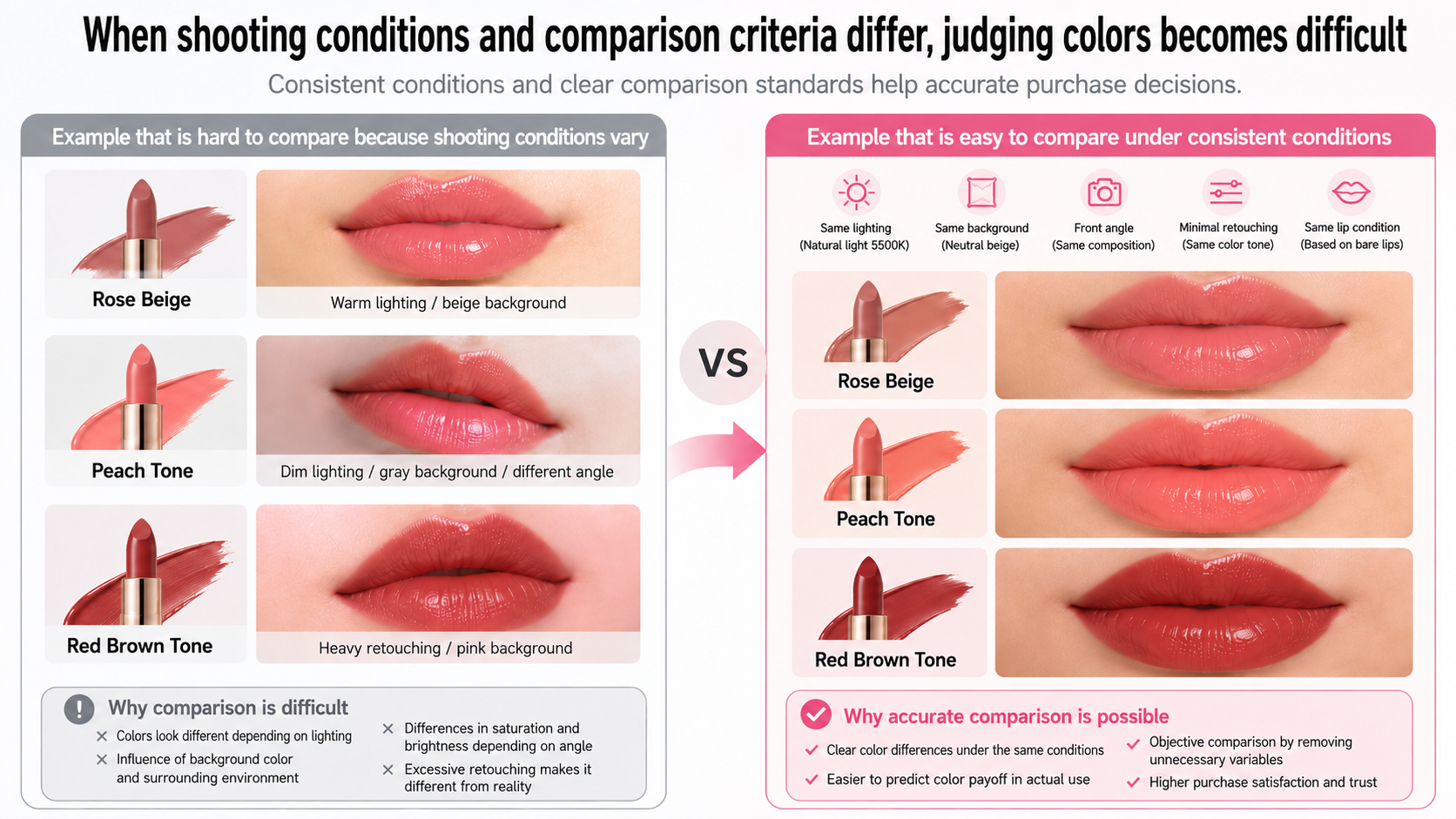
Even if a seller shows various colors, textures, and makeup effects, it’s hard for consumers to accurately compare the differences between products if the lighting, models, angles, and post-editing are all different.
Color names like ‘Rose Beige,’ ‘Peach Milk Tea,’ and ‘Vintage Red Brown’ sound attractive, but they don't clearly explain the warm or cool tone, brightness, or saturation, let alone which skin tone or makeup style they suit. Having many choices doesn't necessarily make it easier to buy. Without a clear explanation of the differences between products, it can actually add to the burden of choice for the consumer.
③ High-quality images don't always lead to trust.

Filters, skin smoothing, lighting, and post-editing can make a page look polished, but they can also make consumers doubt how close the colors and makeup effects in the images are to the actual product.
In particular, it’s hard to accurately judge the coverage of base makeup, the actual color difference of lip products, the shimmer of eyeshadow, or the product’s long-lasting power just from overly edited images. Therefore, the most common issue with typical makeup product pages isn't just that they aren't ‘pretty enough.’ Consumers see the product, but they still have no idea if it’s right for them.
For this reason, makeup product pages need to provide consistent color comparisons under the same conditions, reference images for various skin tones, product textures, partial makeup effects, and clear buying guides.
3. What do sellers lose when consumers go to offline stores to test products?
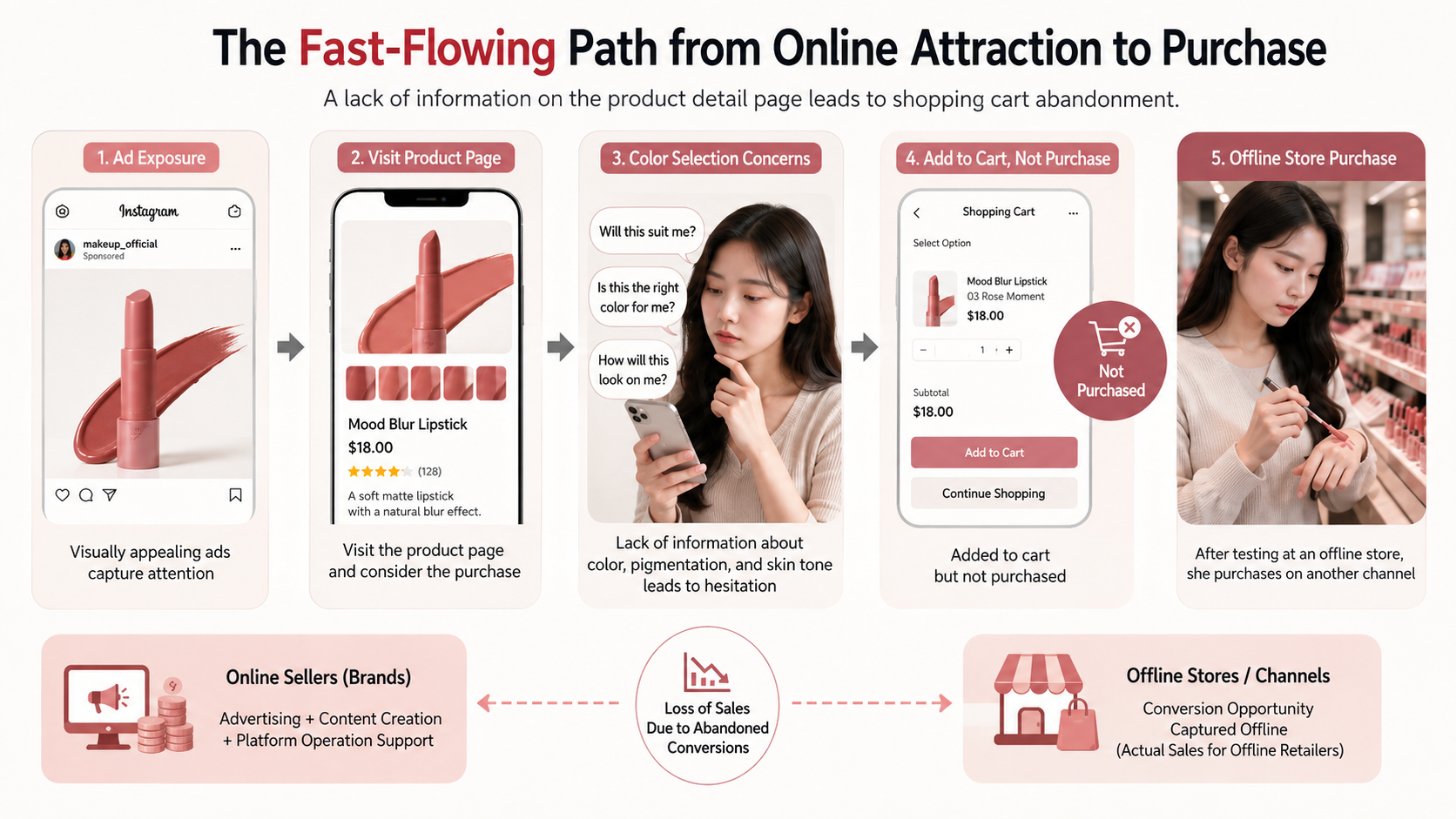
If a consumer decides to test the product in person at an offline store after checking the product page, the seller isn't just losing a single order.
Before the consumer moves to an offline store, the online seller may have already spent money on advertising, content production, driving traffic, and store operations. But if the product page doesn't help the consumer make a final purchase decision, the actual order might go to an offline store, another platform, or a competing brand.
① Online traffic does not lead to actual orders.
Consumers may visit the product page through an ad and carefully check the product images and descriptions. However, they might give up on the purchase at the final step of choosing a color or confirming the actual makeup effect.
They might save the item, look for more external reviews, or go test it in an offline store. They could also complete the purchase on another brand or platform that provides clearer information.
② Difficulty in choosing delays the purchase decision.
Makeup products often include several choices with similar colors, textures, and effects. If the product page doesn't clearly explain the differences, consumers have to compare them repeatedly, ask customer service, or look for external reviews.
The more complicated the selection process, the more likely consumers are to delay their purchase. Even if they save the item or add it to their cart, they might not finish the payment if they aren't sure about the color that fits them.
③ The gap between actual usage and expectations leads to returns and negative reviews.

Even if the consumer eventually orders online, it’s easy for post-purchase issues to arise if the color, texture, and makeup effect shown on the product page differ from the actual experience.
- When the chosen color doesn't match their skin tone
- When the actual color looks different from the product page images
- When the makeup effect isn't as natural or long-lasting as the image suggests
- When the product doesn't suit their skin type
- When the pigmentation, coverage, or glow is lower than expected
These problems aren't necessarily due to product quality. They might be because the product page failed to convey the accurate usage results and expectations to the consumer. As a result, not only do exchange and return processing costs increase, but it can also negatively affect product ratings, brand trust, and future re-purchases.
So, if your makeup product detail page only leads customers to click but doesn't actually help them make a final choice, it's not really doing its job as a sales tool. When you lose a sale, it’s not just one missed order. You're also losing your advertising budget, the value of that traffic, customer trust, and the chance for future repeat purchases.
4. Is one photo really enough to create a complex makeup detail page?
Customers want to clearly see color comparisons, skin tone suitability, product textures, and how the makeup actually looks on the skin. But for e-commerce sellers, putting all this content together is a huge headache.
A single lip product can have tons of shades, each needing its own product shots, texture close-ups, model photos, and descriptions. Foundations need to account for all kinds of skin tones and types, while eyeshadows, blushes, and contouring products need to show how to apply them and how they look on the face.
Doing this the traditional way means you have to manage product managers, models, makeup artists, photographers, retouchers, copywriters, and designers all at once. Even a small change to a color, model, background, or marketing concept could force you to start the whole shoot and design process over from scratch.
Draph Art streamlines this messy process into one smooth workflow. Sellers just upload a single product photo and input basic product info, and the AI handles the rest—creating product images, AI model shots, sales copy, and a complete detail page layout automatically.
STEP 1|Upload product photo and add basic product details

Start by uploading a clear product photo and entering the following info:
- Product name and category
- Product color and texture
- Key features and main selling points
- Recommended skin tone, skin type, or target audience
- How to use and usage scenarios
- Brand primary colors and desired visual style
No need to write complex prompts or have a finished photoshoot plan or page design ready to go.
STEP 2|Automatic creation of images, copy, and page layouts with AI
Product visual content
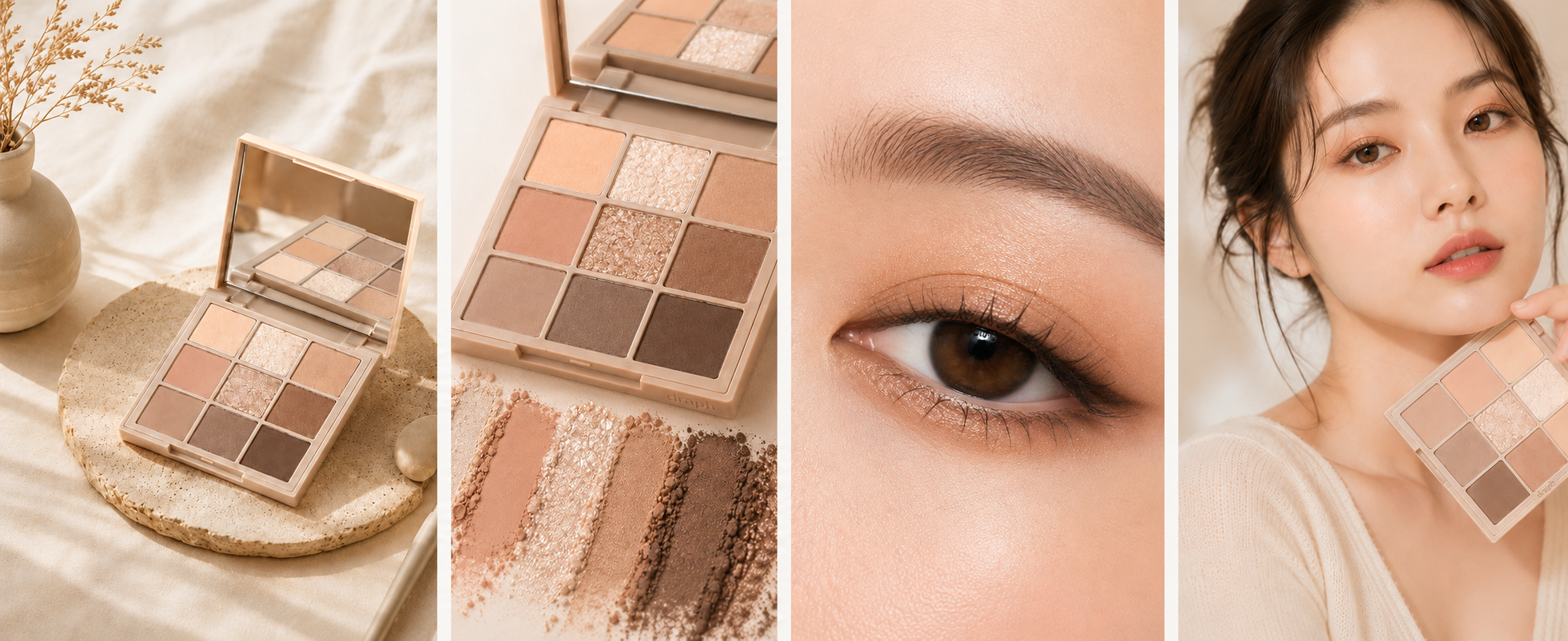
You can turn one simple product photo into a wide variety of content:
- Main product visual images
- Product detail and texture close-ups
- Images of the product on a vanity or in everyday use
- AI model photography
- Seasonal, holiday, or promotional themed images
- Product thumbnails and advertising material
For example, if you upload a photo of a lipstick against a white background, you can instantly generate high-end main visuals, photos of a model holding the product, lifestyle shots on a vanity, and marketing images for social media. No need to re-shoot everything just because you want a new background or marketing angle.
Sales copy and product guide
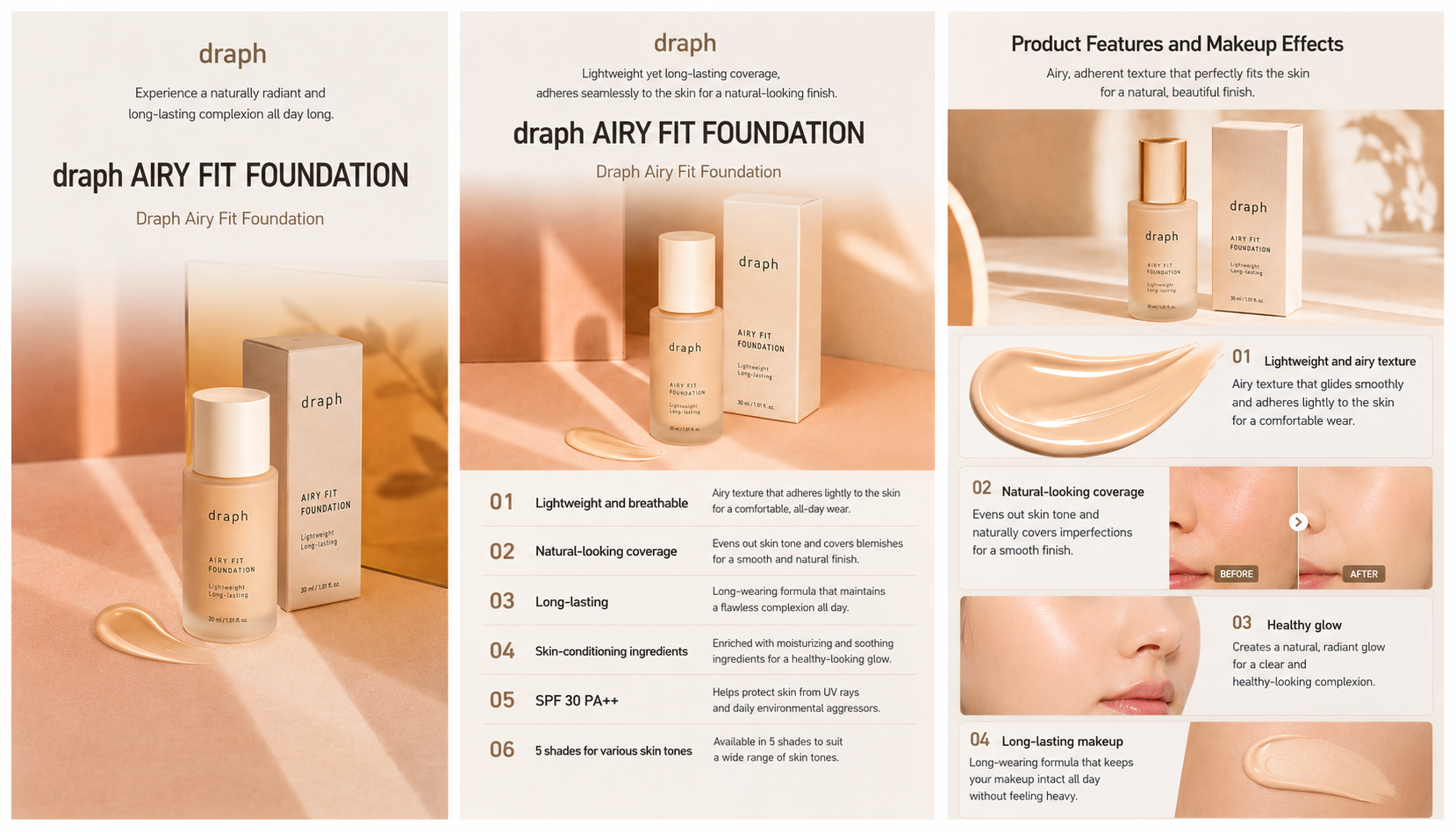
Based on the product info you provide, the system automatically organizes and writes the following:
- Key product selling points
- Descriptions of color features and differences
- Recommended skin tones and skin types
- Product texture and makeup effect introduction
- How to use and styling recommendations
- Matching makeup styles and usage scenarios
- Frequently Asked Questions (FAQ)
This helps your product detail page go beyond just showing that the product is pretty; it helps customers understand who the product is for, what effects it creates, and how to choose the right one for them.
Complete Product Detail Page Layout
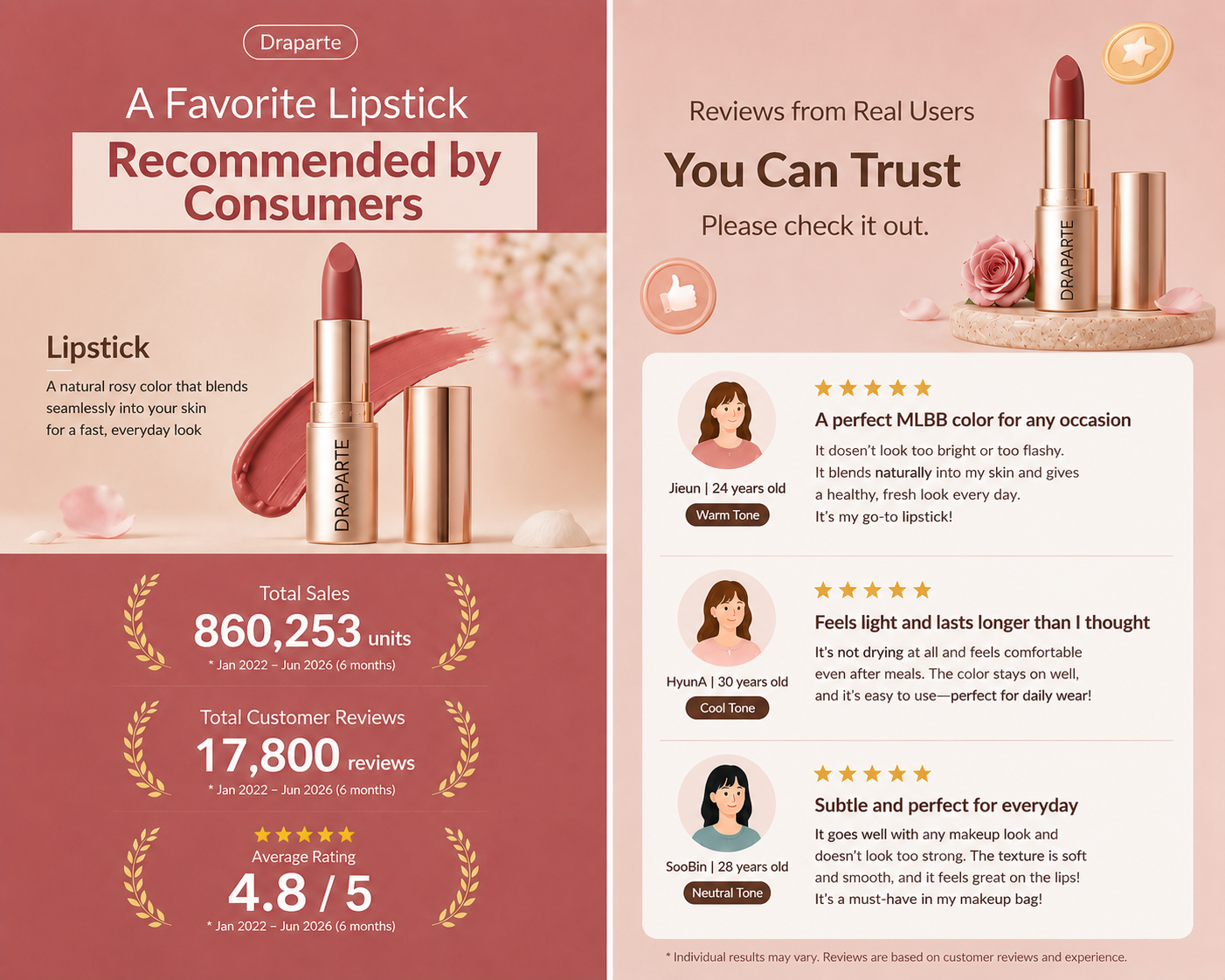
Draph Art doesn't just generate single images. It automatically creates a complete product detail page for mobile, featuring product images, AI models, catchy sales copy, and product details. The system organizes images, text, and info to fit different markets and platforms, while reflecting the latest design trends to match what today’s shoppers love.
Depending on the product type and chosen template, the generated detail page can include the following:
- Product main visual and key selling points
- Color, texture, and makeup effect introduction
- AI model visuals and lifestyle usage scenarios
- Recommended skin tones, skin types, and target audience
- How to use, precautions, and detailed product info
Sellers no longer need to jump between different tools for image generation, copywriting, photo editing, and page layout. You can easily create professional makeup detail pages that fit any sales channel without having to build every single piece from scratch.
STEP 3|Edit just what you need and export
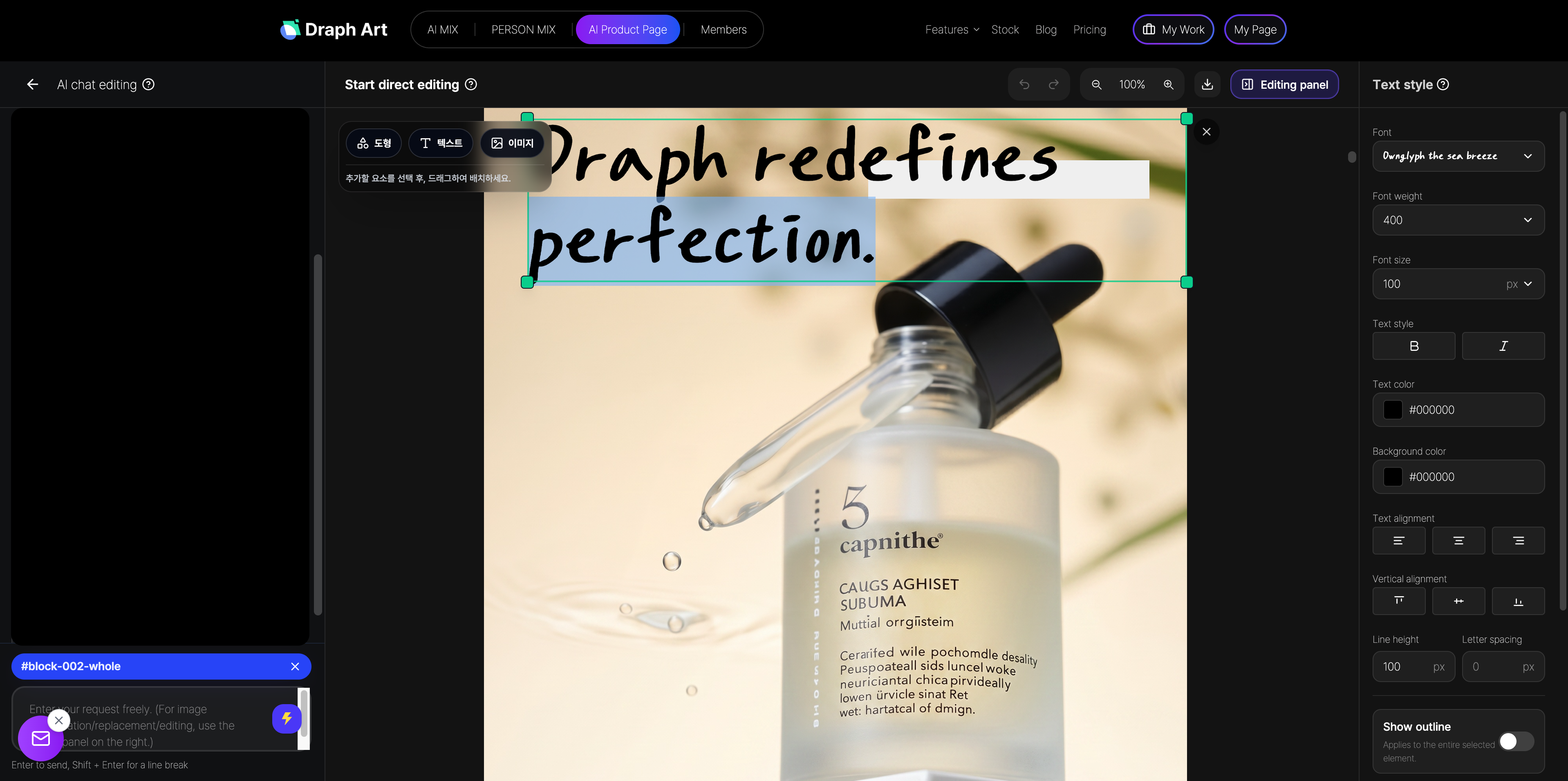
After the AI generates the initial result, you don’t have to use everything as is. If a specific image, text, or layout isn't quite right, you can just tweak that part without having to start over from scratch.
Sellers can customize the following elements based on their actual needs:
- Product background and usage settings
- AI model’s appearance, skin tone, poses, and makeup style
- Product position, size, and angle within the shot
- Product selling points and descriptive copy
- Content for specific images or highlighted areas
- Order of page modules and overall visual style
5. How does your workflow change with Draph Art?
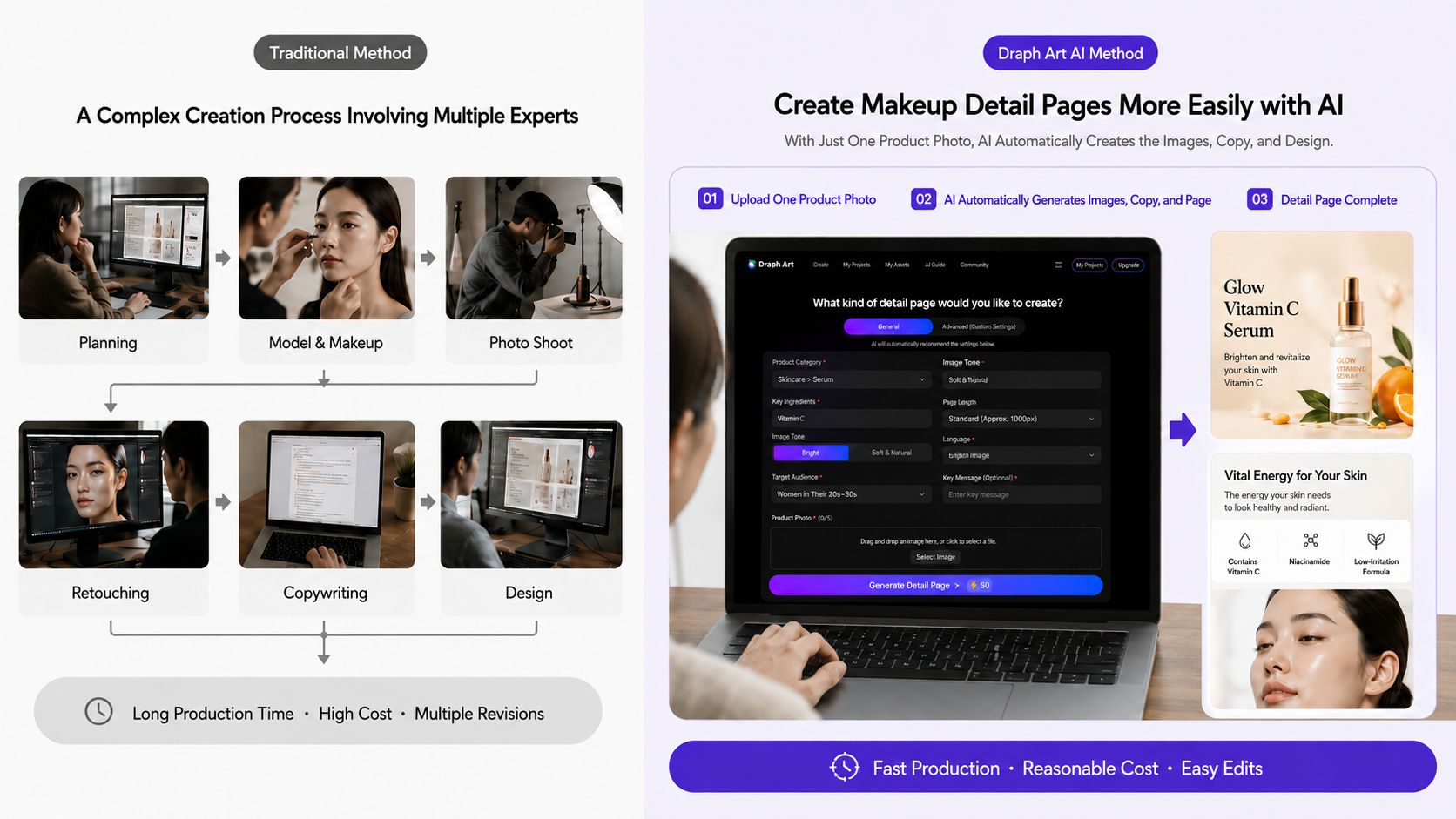
| Task | Traditional Workflow | Using Draph Art |
| Getting Started | Requires planning photoshoots, models, locations, and materials | Just upload one original product photo and basic product info |
| Product Image | Need to reshoot every time the background or scene changes | Automatically generate main visuals, scene images, and marketing materials |
| AI Models | Requires model booking, makeup, and photoshoot preparation | Generate AI model lifestyle photos and product usage scenes |
| Product Copy | Written separately by sellers or copywriters | Automatically generated based on product info |
| Page Layout | Designer manually arranges each module | Automatically composed into a complete mobile-optimized product page |
| Content Editing | Requires renegotiation, redesign, or additional photoshoots | Individually edit images, copy, and modules |
| Production Time | Multiple professional stages must be done sequentially | Initial results in about 3 to 10 minutes |
With Draph Art, you can go from a single product photo to creating full product images, AI model lifestyle shots, sales copy, and page layouts all at once. Plus, you can tweak specific parts like the background, models, copy, or individual modules if they aren't exactly what you had in mind.
You don't need professional photography, design skills, or complex prompt engineering. Simply refine the output step-by-step to create the perfect product page that aligns with your concept and sales goals.
Draph Art isn't just about 'making pretty pages faster.' It helps beauty sellers reduce repetitive production tasks while effectively showcasing their products, highlighting key differences, and creating sales content that helps customers make confident buying decisions.
Frequently Asked Questions (FAQ)
Q1. Do makeup product pages have to feature models with various skin tones?
A1: You don't have to show every possible skin tone. However, for products like foundations, lip colors, or blushes where the result varies significantly by skin tone, providing reference images for different skin tones or natural lip colors can help reduce customer hesitation. Sellers can choose and use AI models that best suit their target audience.
Q2. Which makeup products are best for AI-generated product pages?
A2: AI is perfect for creating product pages for any makeup item. It's especially useful for sellers who launch new products often, change marketing themes frequently, or lack professional photography and design staff, helping them cut down on the burden of repetitive content creation.
Q3. Won't AI-generated product pages look similar to other products?
A3: The system doesn't just churn out identical content for different products. Draph Art generates images, copy, and layouts based on the product info, key selling points, brand colors, target audience, preferred visual style, and templates you provide. Even for products in the same category, you can differentiate the vibe and positioning by adjusting the scenes, AI models, makeup styles, and copy. Plus, you can always edit individual parts to make the page perfectly match your product's unique features.

.png&w=1920&q=75)
