목차
- What's Changing in 2026 Product Page Design?
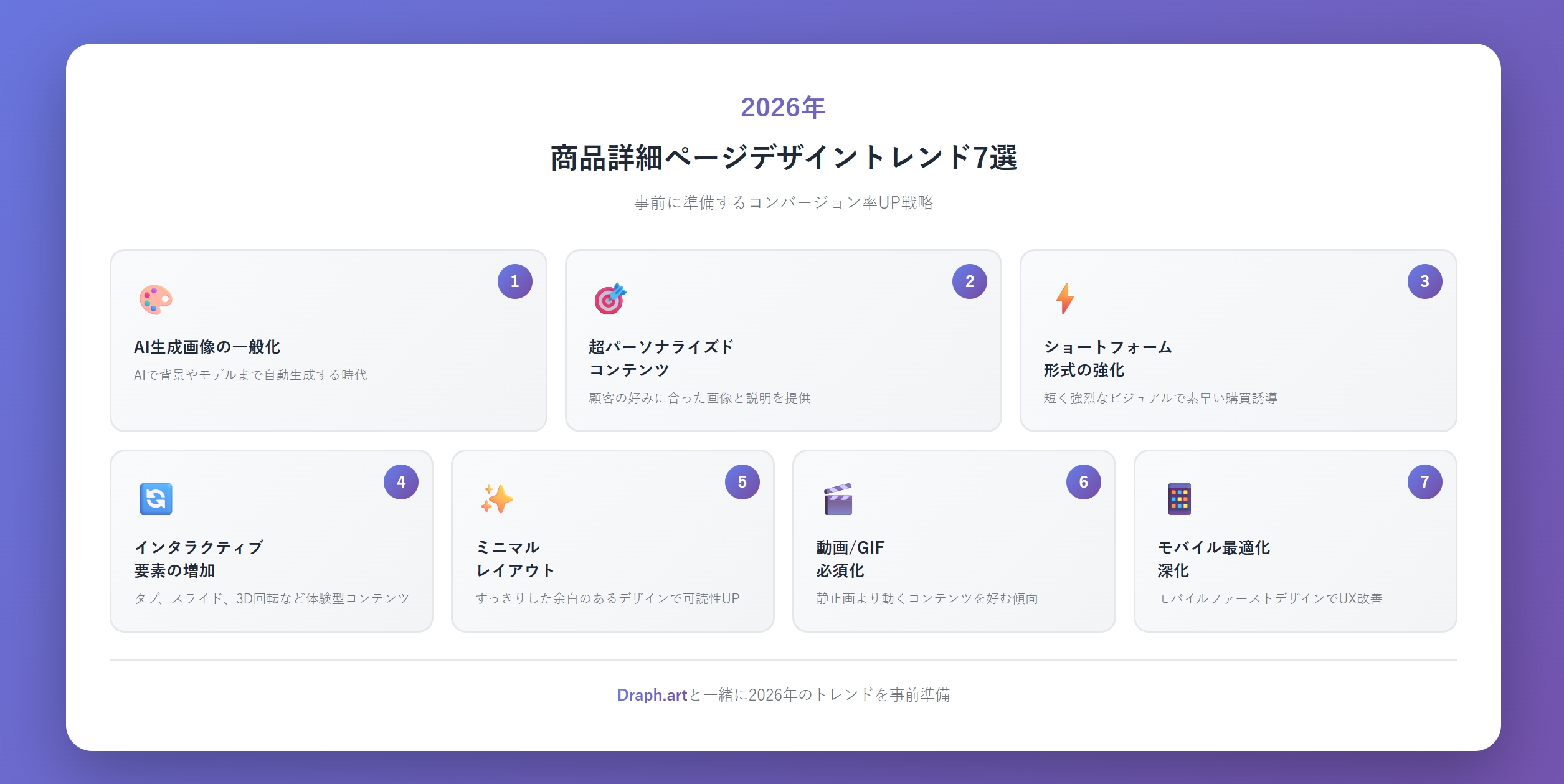
- 7 Product Page Design Trends Expected in 2026
- 1. AI-Generated Images Go Mainstream: Seasonal Swaps Become Standard
- 2. Hyper-Personalization: Custom Product Pages Per Customer
- 3. Short-Form Format Gets Stronger: Quick, Punchy Info Delivery
- 4. More Interactive Elements: Tabs, Sliders, 3D Views
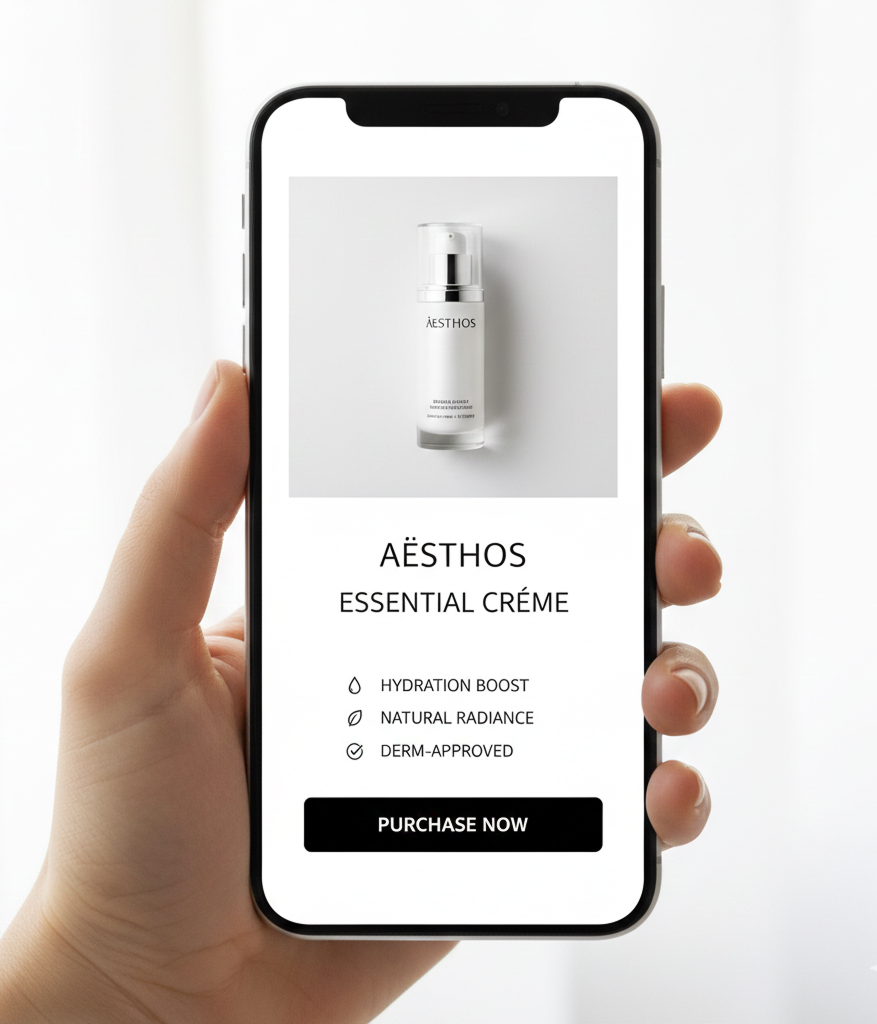
- 5. Minimal Layouts: The Power of Whitespace and Focus
- 6. Video/GIFs Become Essential: Static Images Aren't Enough
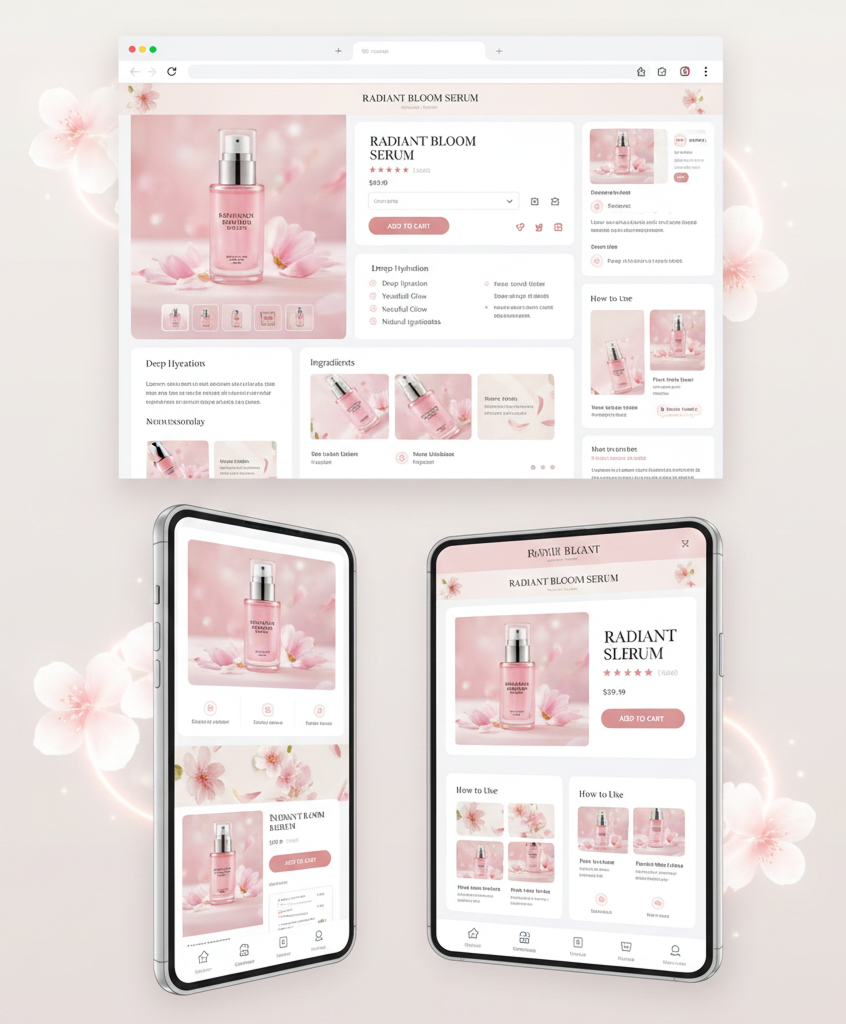
- 7. Deeper Mobile Optimization: Stronger Vertical Scroll Structure
- How to Prepare for 2026 Product Page Design Trends
Summary
- Product page design in 2026 will center on AI-generated images and hyper-personalization
- Short-form layouts, interactive elements, and video content become must-haves
- Minimal design and mobile optimization get even stronger
- Draph Art's AI features help you adapt quickly to these changes

Hey there! We're Draph Art, an AI-powered product photo and video generation service. Since we talk with online store owners every day, we know how much of a headache creating product pages can be. With trends shifting so fast, you're probably wondering what kind of pages will actually convert in 2026, right?
Today, we're diving into product page design trends for 2026 and showing you how to start prepping now. Plus, we'll share how Draph Art's AI tools can make your life easier!
What's Changing in 2026 Product Page Design?
As 2025 wraps up, the e-commerce world is already gearing up for next year. Product page design especially evolves fast—if you don't stay ahead of trends, you'll fall behind the competition.
So what's the one-sentence summary of 2026 product page trends? Fast, personalized, and interactive. Shoppers want more info in less time, and they expect experiences tailored just for them. Static images alone won't cut it anymore when it comes to winning hearts (and wallets).

7 Product Page Design Trends Expected in 2026
1. AI-Generated Images Go Mainstream: Seasonal Swaps Become Standard
In 2026, AI image generation will be the norm for product pages. Sure, plenty of sellers already use AI for product photos, but next year it won't be optional—it'll be essential.
Why? Because you need to swap images quickly by season and campaign to stay competitive. Cherry blossoms in spring, beach vibes in summer, fall foliage in autumn—same product, constantly fresh look.
Traditional studio shoots can't keep up with that pace. With AI background generation, you can create dozens of versions from one base product image in just minutes. By 2026, updating product page images monthly will be the new normal.

2. Hyper-Personalization: Custom Product Pages Per Customer
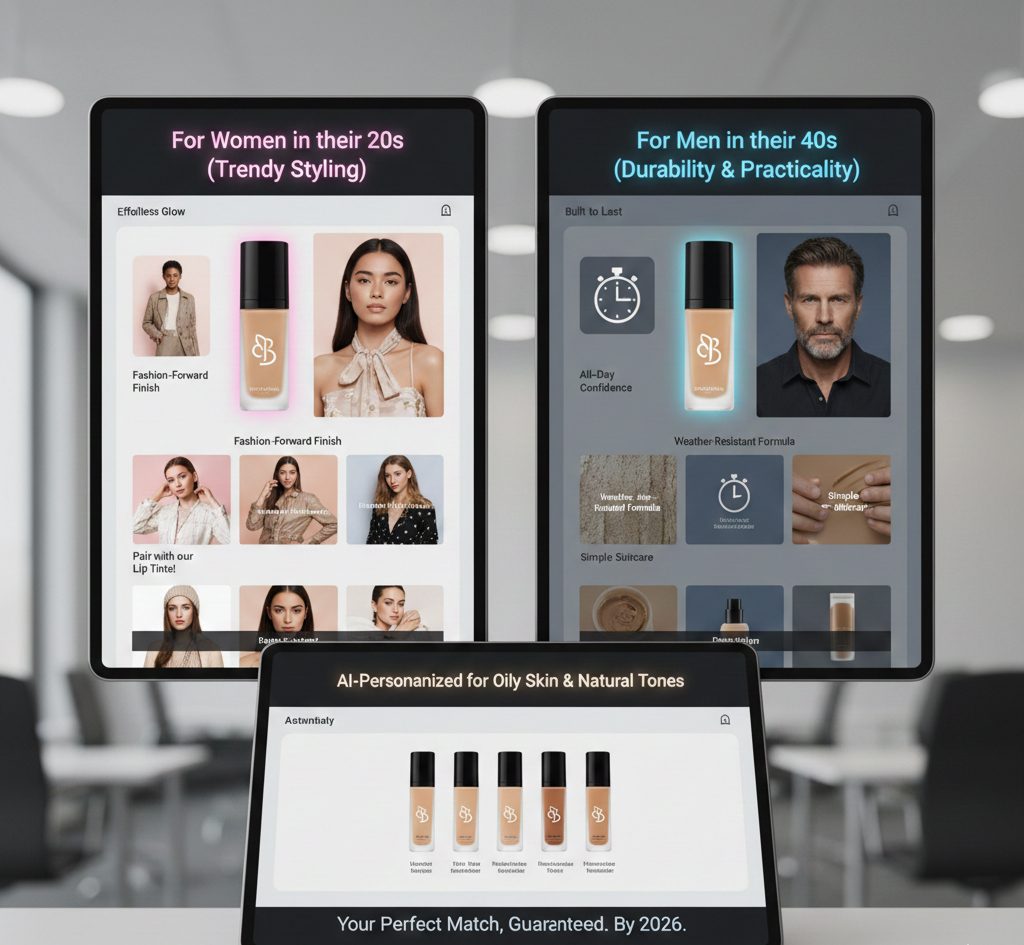
The biggest shift in 2026 product page design? Hyper-personalization. Instead of showing everyone the same page, you'll show different content based on age, gender, and purchase history. For example, suggest trendy styling to women in their 20s, while emphasizing durability and practicality to men in their 40s. Same product, different page for each customer.
Some beauty brands are already doing this. One cosmetics shop using personalized recommendation systems analyzes customers' skin types, color preferences, and buying history to recommend relevant products right on the product page.
Say a customer has oily skin and prefers natural tones—they'll see lightweight formulas and foundations in their preferred shades. Instead of just pushing bestsellers to everyone, you show products that actually fit each person, which dramatically boosts conversion rates.
By 2026, mid-sized sellers will have easy access to this personalization tech. Product page templates won't just be one-size-fits-all—you'll need multiple versions for different audiences.

3. Short-Form Format Gets Stronger: Quick, Punchy Info Delivery
Thanks to TikTok, Reels, and Shorts, attention spans keep shrinking. Product page design in 2026 will follow that trend.
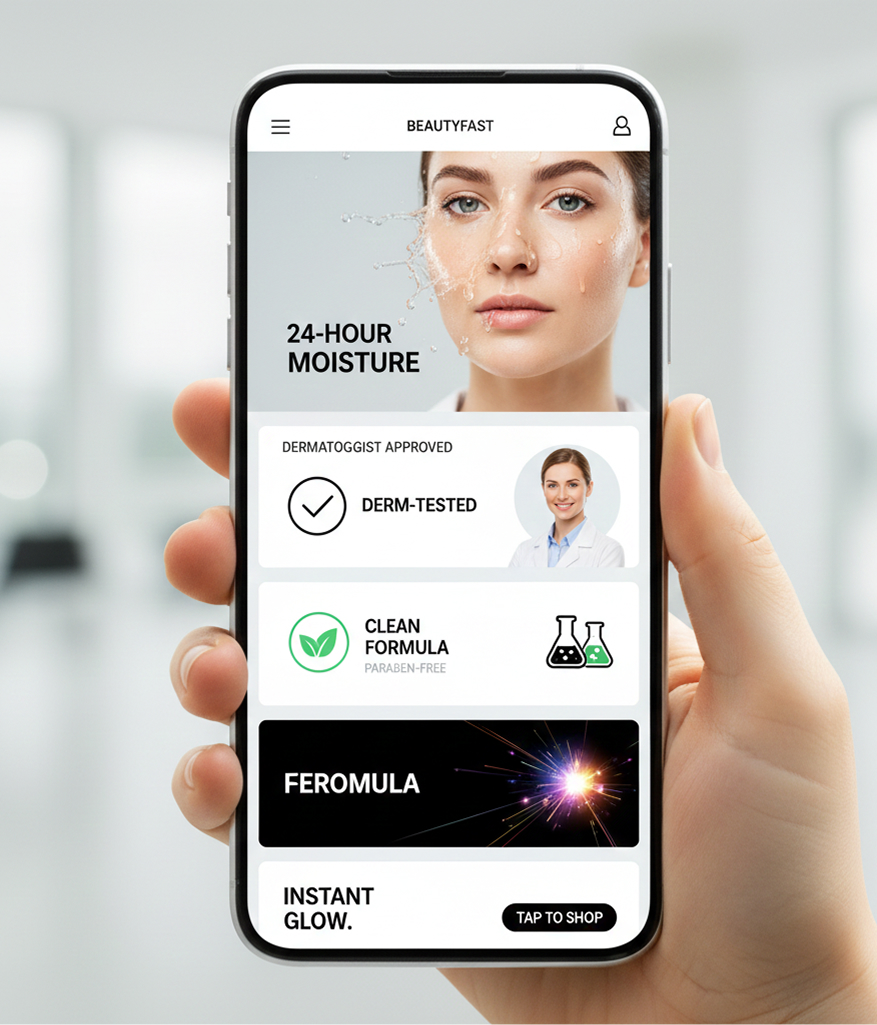
Instead of long explanations, you'll focus on eye-catching images and short copy. One scroll = one key message. Things like "24-hour moisture," "dermatologist tested," "paraben-free"—each section hammers home just one point.
When creating product pages, "short and punchy" becomes the rule. If customers can't grasp the key point in 3 seconds, they'll bounce. Cut the complex explanations and amp up visual impact.

4. More Interactive Elements: Tabs, Sliders, 3D Views
By 2026, pages where you just scroll will feel boring. Interactive elements that let customers click and explore become essential. Think tabs to switch between color options, sliders to flip through different lifestyle shots, or 360° views to spin products around. You're encouraging active exploration.
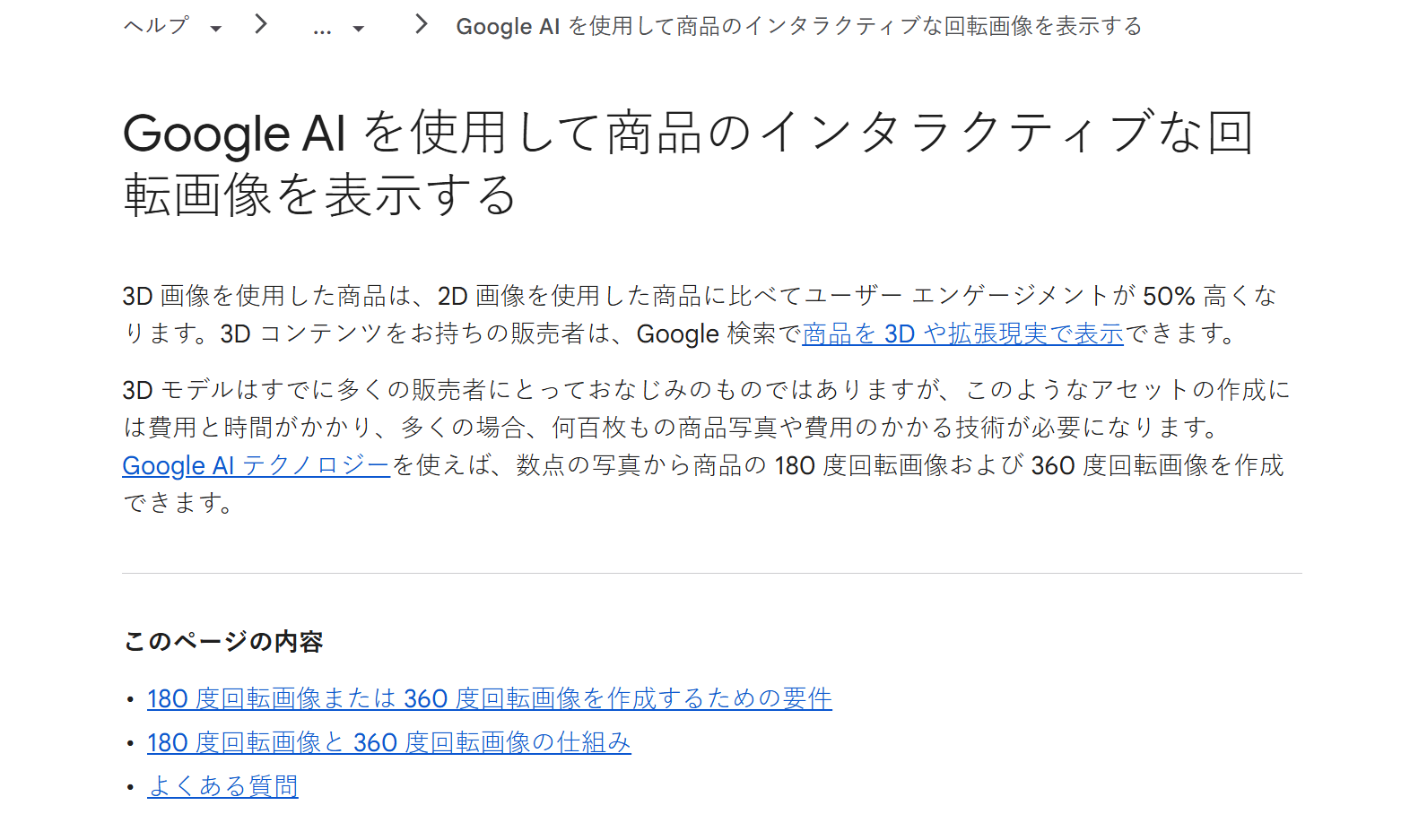
Google Shopping already offers 360° rotating images using AI. Sellers upload just 5 images—front, back, both sides, and top view—and Google's AI automatically creates a spinnable 360° view. Customers can rotate the product with their mouse to see every angle.
The automotive industry also uses 3D rendering to let people view cars from any angle. This tech will become standard for regular product pages by 2026.
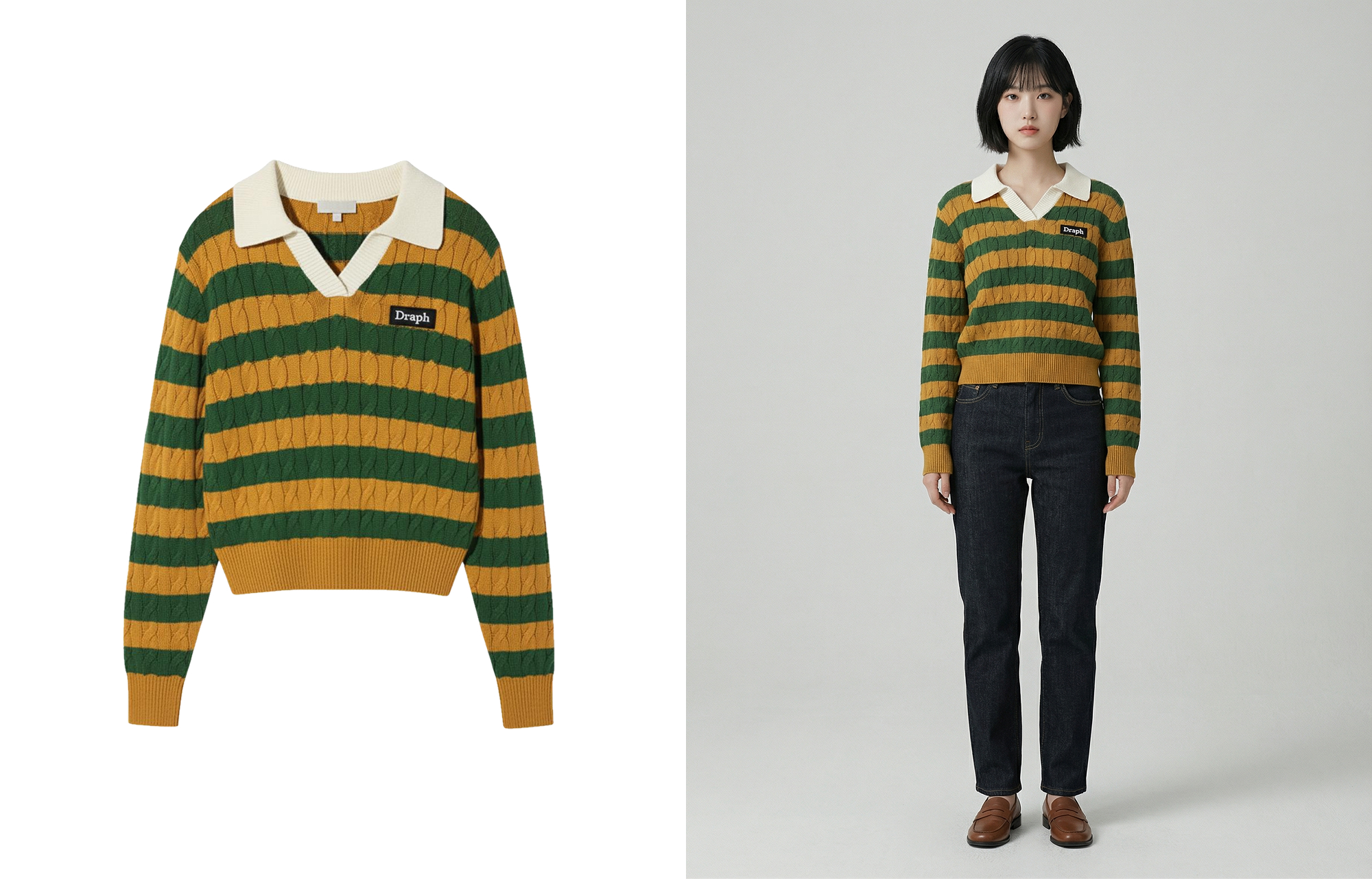
Fashion items will have color-by-color images, cosmetics will feature before/after sliders, and electronics will include 3D views from multiple angles as baseline features. When choosing product page templates, check if these interactive functions are included.


5. Minimal Layouts: The Power of Whitespace and Focus
More info isn't always better. The 2026 product page design trend is minimalism. Generous whitespace, keeping only what truly matters.
We used to think pages needed to be packed to look professional, but now more whitespace actually feels premium. Look at brands like Apple or major fashion retailers—they minimize text and let images and whitespace do the work.
When creating product pages, keep asking: "Do we really need this info?" Keep only the 3 core things customers need to know and boldly delete the rest. Less is more powerful.

6. Video/GIFs Become Essential: Static Images Aren't Enough
By 2026, static product photos alone won't convince customers. Moving content—videos or GIFs—becomes a must.
How a product actually works, what the texture feels like—video shows this way better than photos. For cosmetics, show the texture; for clothing, show how it fits when moving; for electronics, show it in action with short videos.
No model shoot videos? No worries. AI tech can already turn static images into 5-second videos. By 2026, this tech will be even more advanced, making video standard on product pages.


7. Deeper Mobile Optimization: Stronger Vertical Scroll Structure
Over 60% of online shopping already happens on mobile. By 2026, that'll jump to 70-80%. That's why product page design must be mobile-first, no exceptions.
Don't design for desktop and adapt to mobile—design for mobile screens from the start. Vertical scroll optimization, one message per screen, large fonts and buttons are key.
Especially in 2026, foldable smartphones will become more common. You'll need flexible product page templates that handle various screen sizes.

How to Prepare for 2026 Product Page Design Trends
How do you keep up with all these trends? The key is flexibility—building systems that let you adapt to change quickly.
What You Can Do Now to Prep for 2026 Product Page Trends
- Build an image library: Prep product photos for various seasons and concepts ahead of time
- Secure video content: Use tools that convert static images to video
- Think mobile-first: Make every design decision based on mobile screens
- Pursue simplicity: Practice removing unnecessary elements
- Experiment: Keep checking customer reactions with A/B testing
Get a Head Start with Draph Art's AI Visual Solutions
To handle 2026 trends, you need fast, flexible product page creation tools. Draph Art is already preparing for the future.
Handle Seasonal Swaps with AI Image Generation

Draph Art's BG Generation feature lets you create dozens of versions from the same product image. Swap to cherry blossoms in spring, beaches in summer. AI image generation lets you respond instantly to seasonal trends.
→ Change backgrounds with AI MIX


Reach Different Audiences with AI Models

Match the hyper-personalization trend by creating AI model images across different ages and nationalities. Show the same product with different models depending on your target audience.
→ Create model images with AI people

Make Video Content with Video Conversion

Turn those static model images into 5-second moving videos. Create video content without actual video shoots. Start prepping the video content that'll be essential in 2026, right now.
→ Convert model images to video
Apply Trends with Our Upcoming Auto Product Page Feature
Even better news! Draph Art's soon-to-launch auto product page feature will automatically create pages that reflect 2026 trends—just input your product info.
Minimal layouts, short-form formats, mobile optimization all apply automatically. You can edit in real-time with conversational prompts like "make the title bigger" or "move this image up." Save time researching and applying trends, and focus on your core business instead.
Product page design trends for 2026 will evolve toward faster, more personalized, more interactive experiences. Only sellers who prep now will stay ahead of next year's competition. Get ready for the future with Draph Art. Sign up now and get 5 free credits plus a free first month!