

목차
요약
- 프롬프트의 정의와 이미지 생성 AI에서의 중요성
- 4단계 프롬프트 작성 공식으로 원하는 이미지 만들기
- 실전에서 바로 쓸 수 있는 프롬프트 작성 노하우
- 드랩아트 AI 합성으로 프롬프트 없이도 쉽게 이미지 만들기

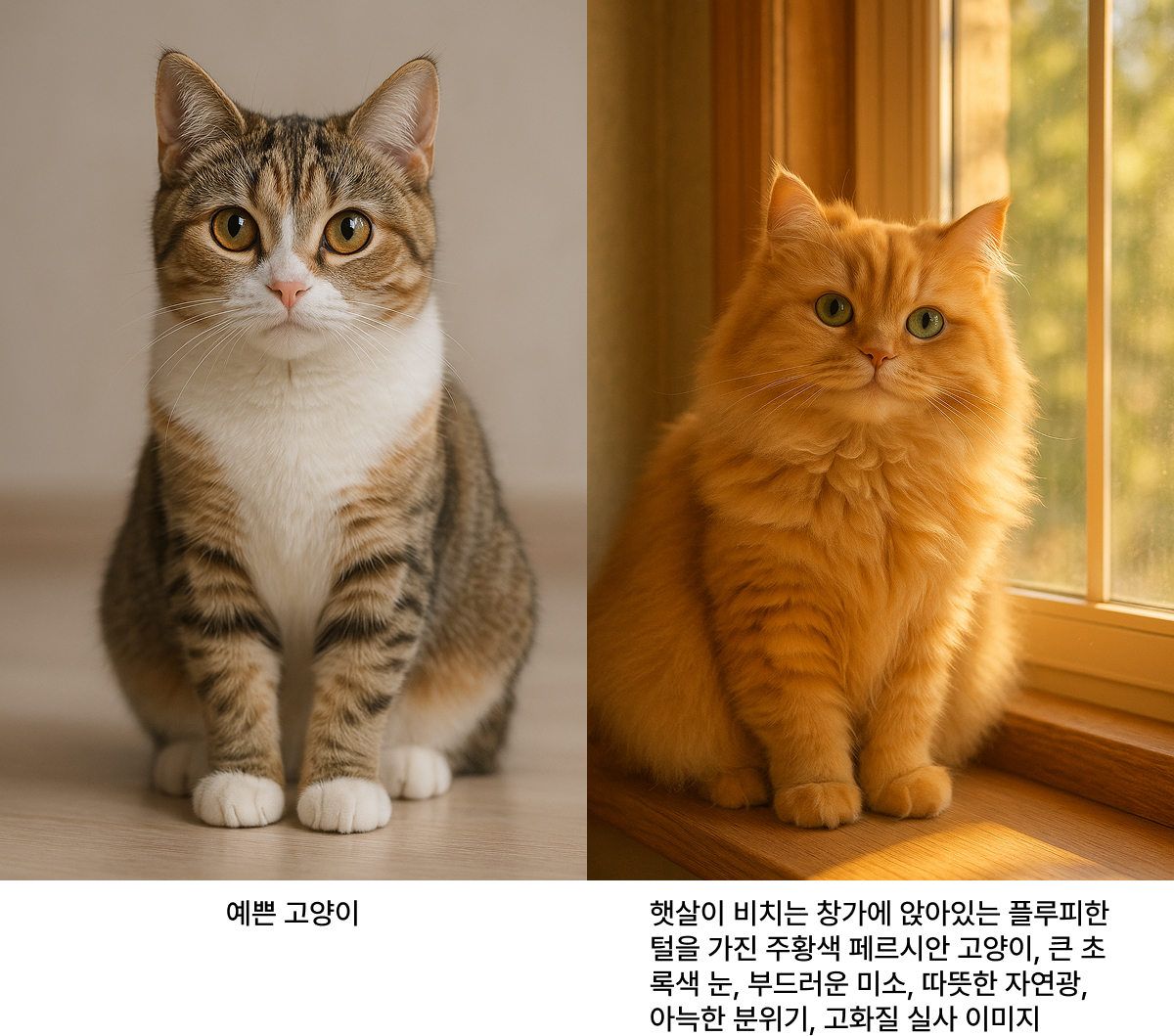
AI로 그림을 그려본 적 있나요? "예쁜 고양이 그려줘"라고 했는데 엉뚱한 결과가 나와서 당황한 경험이 있을 거예요. 이미지 생성 AI는 분명 대단한 기술이지만, 내 마음을 알아주지 못할 때가 많죠. 그 이유는 바로 프롬프트 작성에 있어요.
프롬프트는 AI에게 내리는 '상세한 주문서'와 같은데, 이걸 잘 쓰면 전문가 수준의 이미지를 만들 수 있어요. 오늘은 누구나 쉽게 따라할 수 있는 프롬프트 작성법을 알려드릴게요.
1. 프롬프트란 무엇인가? - 이미지 생성 AI의 핵심
프롬프트의 뜻과 중요성
프롬프트는 이미지 생성 AI에게 내가 원하는 그림을 설명하는 텍스트예요. 카페에서 "커피 한 잔 주세요"보다 "오트 우유로 만든 차가운 바닐라 라테 한 잔 주세요"라고 구체적으로 주문해야 원하는 음료를 받을 수 있는 것처럼, AI 이미지 생성에서도 구체적인 프롬프트가 핵심이에요.
프롬프트 작성 잘하는 방법을 익히면 AI로 상품 사진 자동 생성부터 제품 배경 생성 AI 활용까지 모든 영역에서 활용할 수 있어요. 실제로 온라인 셀러 AI 이미지 제작 분야에서도 좋은 프롬프트가 성공의 열쇠가 되고 있죠.
AI가 프롬프트를 이해하는 원리
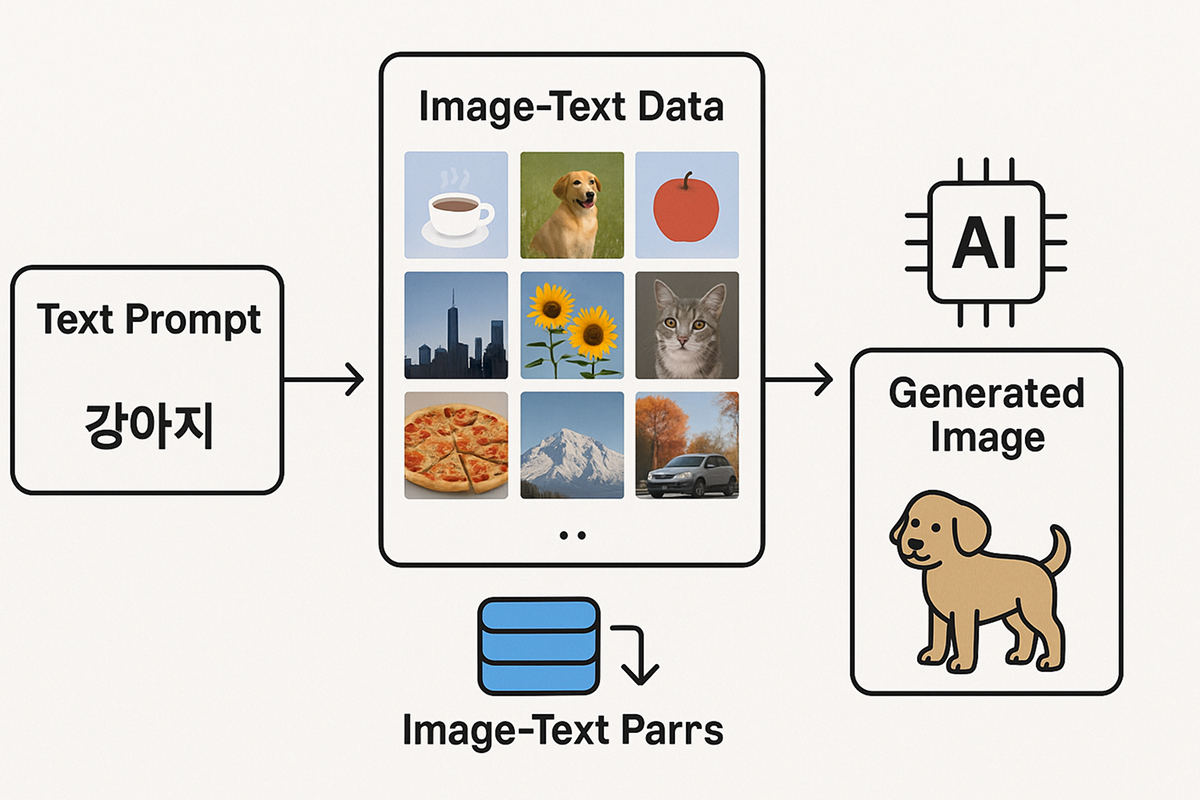
이미지 생성 AI는 수백만 장의 이미지와 텍스트를 학습해서 단어와 시각적 요소의 관계를 이해해요. '강아지'라는 단어를 보면 털, 꼬리, 귀 등의 특징을 조합해서 이미지를 만들어내는 거죠.
하지만 AI 프롬프트 작성 시 자주 하는 실수는 AI가 사람처럼 맥락을 이해한다고 생각하는 거예요. AI는 정확하고 구체적인 지시를 좋아해요. AI 이미지 생성 프롬프트 작성 노하우의 첫 번째는 바로 이 점을 이해하는 것이에요.
좋은 프롬프트와 나쁜 프롬프트의 차이
나쁜 프롬프트 예시:
- "예쁜 강아지"
- "멋진 풍경"
- "좋은 사진"
좋은 프롬프트 예시:
- "햇살이 비치는 공원에서 뛰어노는 골든 리트리버, 행복한 표정, 자연스러운 포즈"
- "일몰 시간대 바닷가, 주황색 하늘, 잔잔한 파도, 평화로운 분위기"
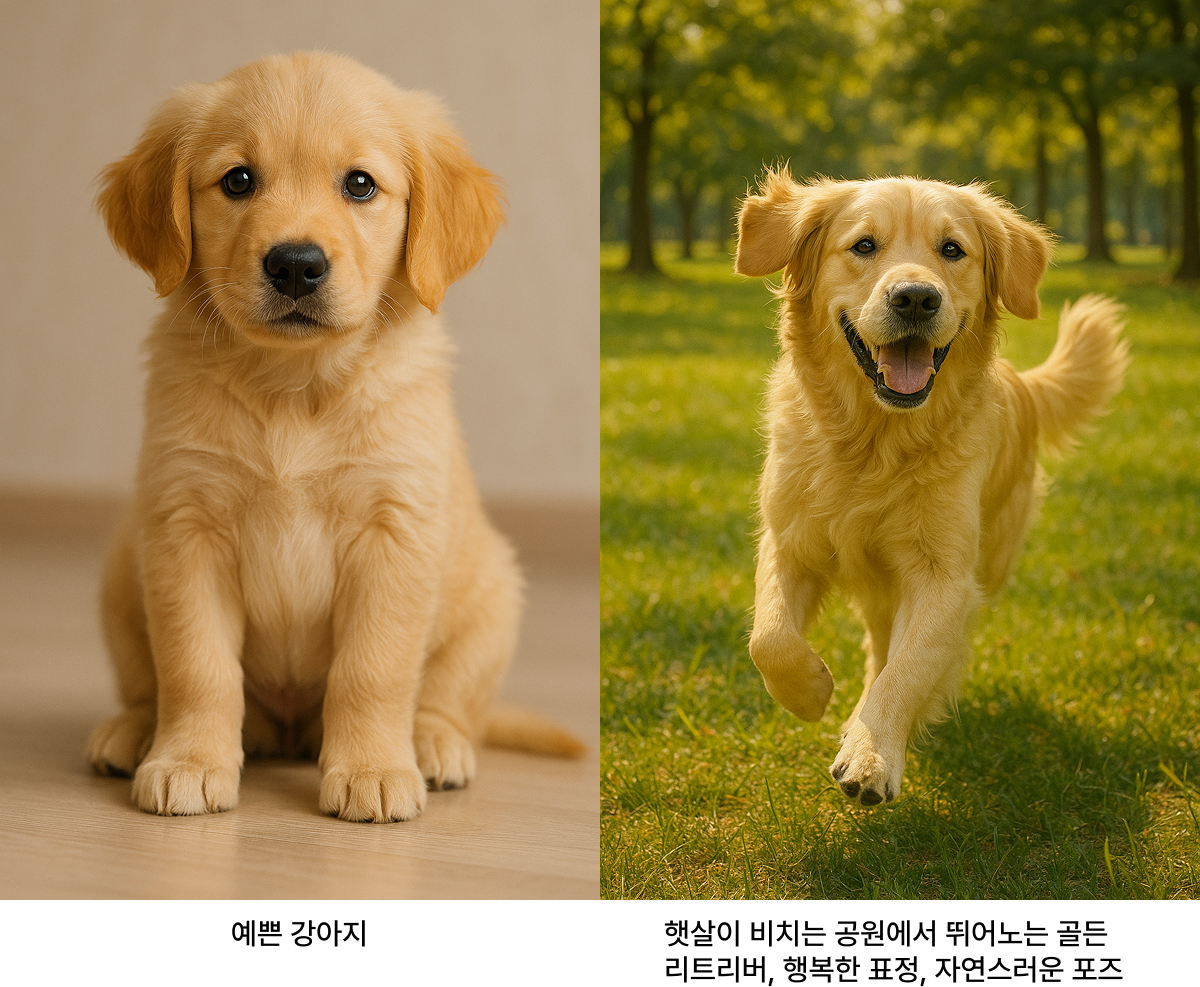
차이가 보이죠? 좋은 프롬프트는 구체적인 대상, 환경, 분위기, 스타일을 모두 포함해요. 이것이 바로 AI 이미지 생성 프롬프트 팁의 핵심이에요.
2. 프롬프트 작성의 4단계 공식

1단계: 주제 설정하기 (무엇을 그릴 것인가)
첫 번째 단계는 이미지의 주인공을 정하는 거예요. 사람, 동물, 사물, 풍경 등 무엇이든 될 수 있어요.
예시:
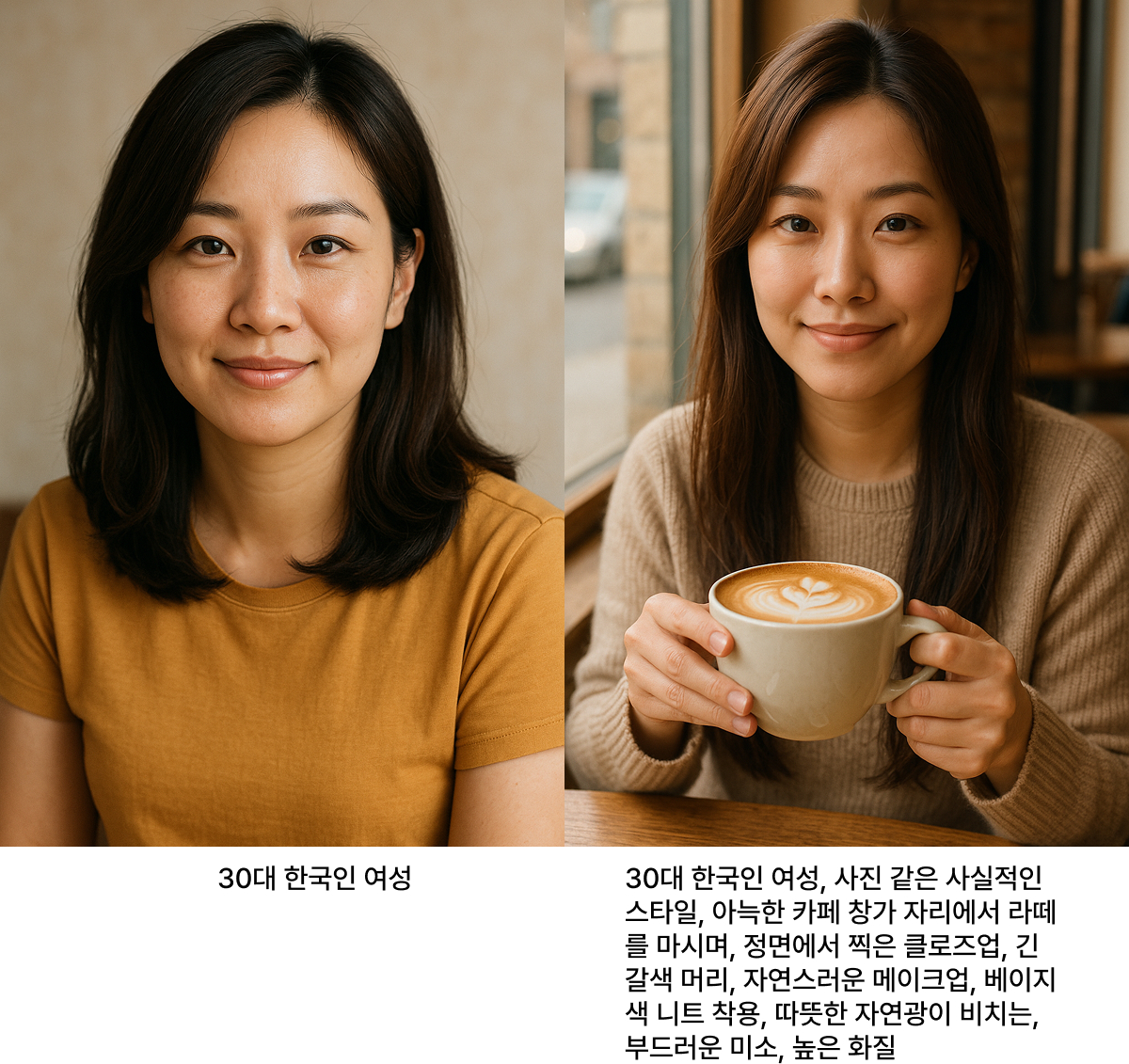
- "30대 한국인 여성"
- "귀여운 고양이"
- "현대적인 카페 내부"
AI 이미지 생성 명령어에서 가장 중요한 건 명확한 주제 설정이에요. 애매하게 쓰면 AI도 애매한 결과를 내놓거든요.
2단계: 스타일 지정하기 (어떤 화풍으로 그릴 것인가)
두 번째는 어떤 스타일로 그릴지 정하는 거예요. 사진같이 사실적으로 할지, 만화 스타일로 할지, 아니면 특정 화가의 화풍을 따라할지 결정해야 해요.
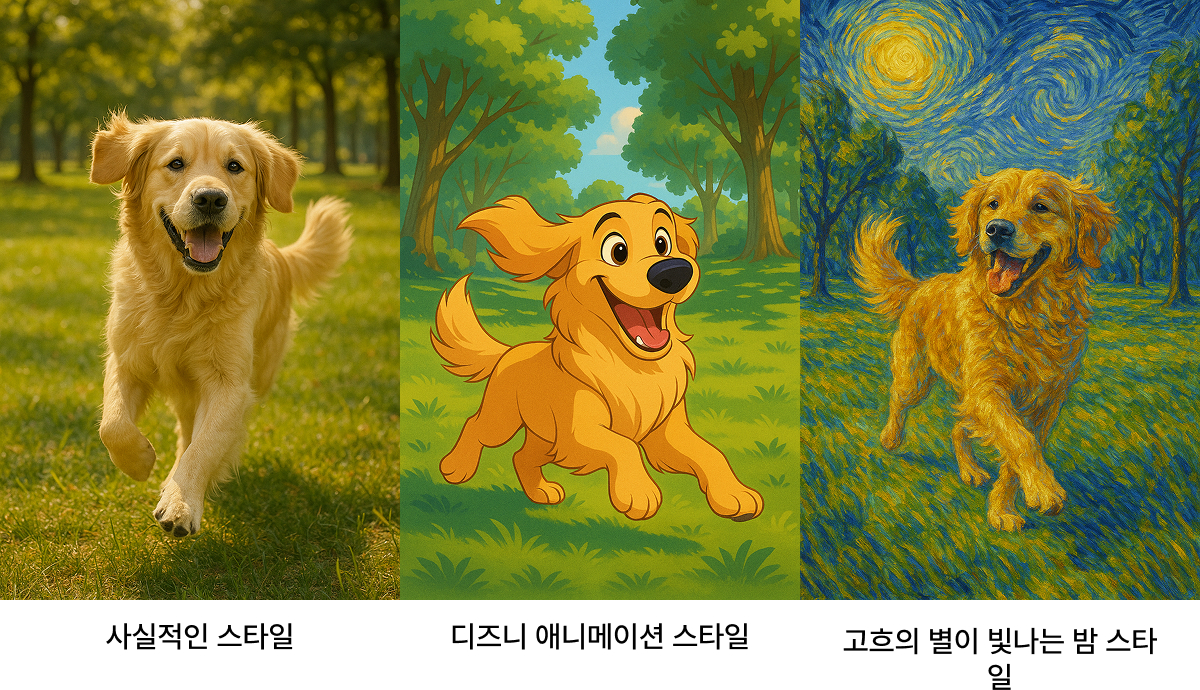
스타일 키워드 예시:
- "사진 같은 사실적인 스타일"
- "디즈니 애니메이션 스타일"
- "고흐의 별이 빛나는 밤 화풍"
- "미니멀한 일러스트 스타일"
3단계: 구도와 환경 설명하기 (어떻게 구성할 것인가)
세 번째는 배경과 구도를 설명하는 거예요. 어디서, 어떤 시간대에, 어떤 날씨에서 촬영하는지 구체적으로 써주세요.
환경 설정 예시:
- "아늑한 카페 테이블 위"
- "일몰 시간대 해변가"
- "눈 내리는 겨울 숲속"
- "현대적인 사무실 책상"
구도 설정 예시:
- "정면에서 찍은 클로즈업"
- "측면에서 본 전신 샷"
- "위에서 내려다본 탑뷰"
4단계: 세부사항 추가하기 (디테일 완성하기)
마지막은 색상, 조명, 감정 등 세부적인 디테일을 추가하는 거예요. 이 단계에서 프롬프트가 완성돼요.
세부사항 예시:
- "따뜻한 자연광이 비치는"
- "부드러운 미소를 짓고 있는"
- "파스텔 톤의 색감"
- "높은 화질, 선명한 디테일"
3. 이미지 생성 AI 프롬프트 작성 실전 노하우
구체적이고 명확한 묘사의 중요성
AI 이미지 생성 효과적인 프롬프트 작성의 핵심은 구체성이에요. "예쁜"보다는 "큰 눈과 작은 코를 가진"이, "멋진"보다는 "세련된 검은색 정장을 입은"이 훨씬 좋아요.
- Before: 예쁜 여성이 카페에서 커피를 마시고 있는 이미지 그려줘
- After: 20대 백인 여성이 밝은 자연광이 들어오는 카페 창가 자리에서 라떼를 마시며 미소 짓고 있다. 긴 갈색 머리, 자연스러운 메이크업, 베이지색 니트 착용하고 있는 실사 이미지를 그려줘
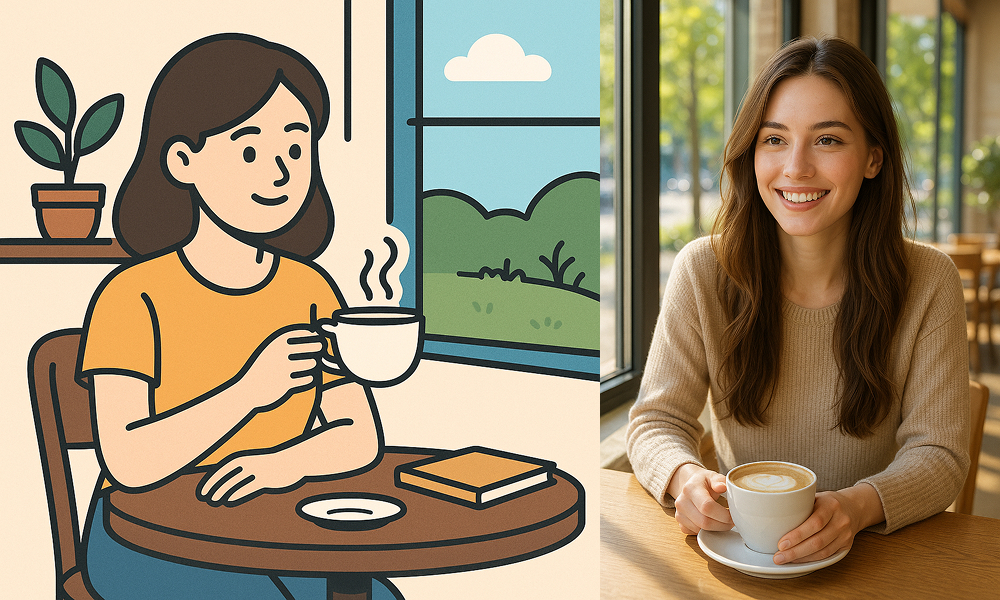
AI 상품 사진 제작에서도 이런 구체적인 묘사가 전문 촬영 대비 90% 이상 비용 절감을 가능하게 해요.
형용사와 명사의 효과적인 조합법
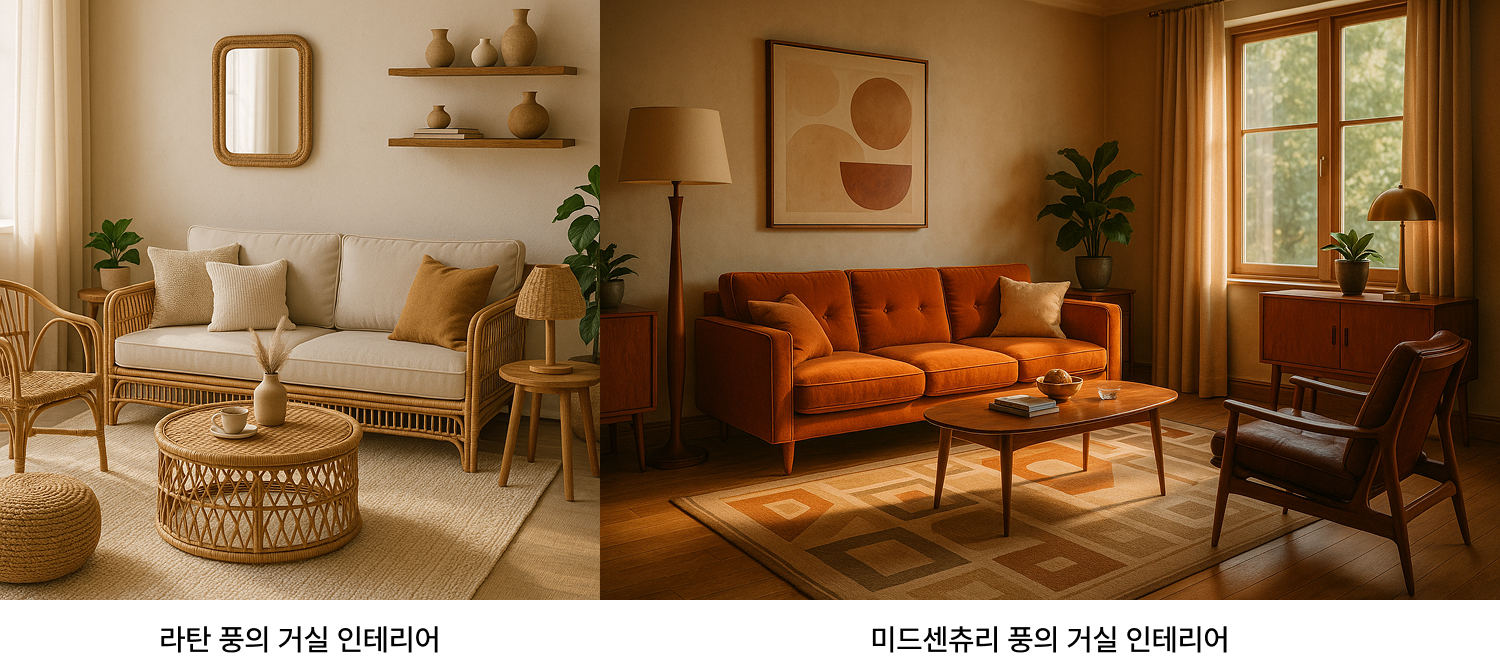
좋은 프롬프트는 명사 + 형용사의 조합이에요. 명사로 대상을 정하고, 형용사로 특징을 구체화하는 거죠.
효과적인 조합 예시:
- "털이 풍성한 + 골든 리트리버"
- "햇살이 비치는 + 아침 정원"
- "라탄풍의 + 거실 인테리어"
스타일 키워드 활용하기
AI 그림 프롬프트 모음에서 자주 쓰이는 스타일 키워드들을 알아두면 도움이 돼요.
인기 스타일 키워드:
- "Cinematic" (영화 같은)
- "Portrait photography" (인물 사진)
- "Watercolor painting" (수채화)
- "Digital art" (디지털 아트)
- "Vintage style" (빈티지 스타일)
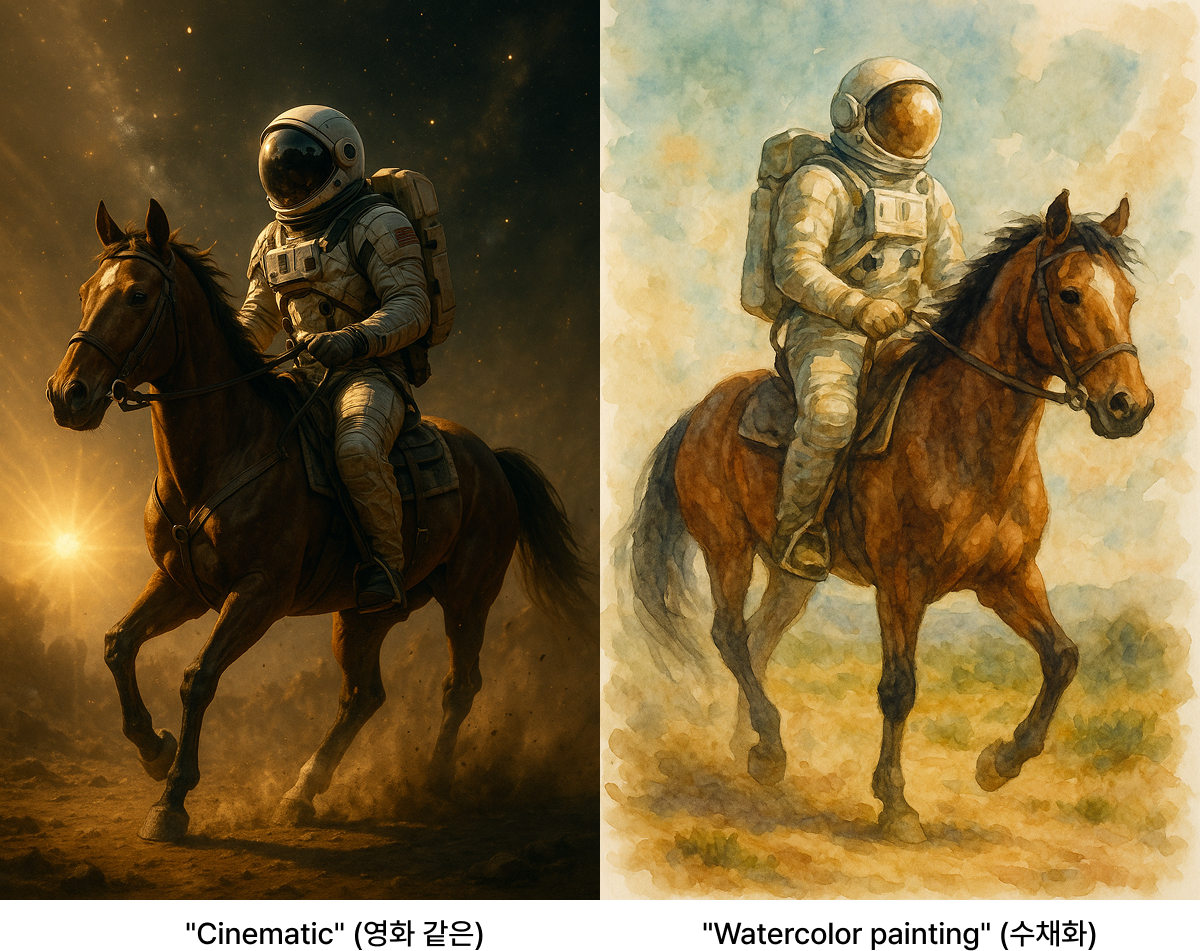
특히 ppt 템플릿에 들어갈 이미지를 만들 때는 "Clean illustration style", "Minimal design", "Business presentation style" 같은 키워드를 쓰면 깔끔하고 전문적인 이미지를 얻을 수 있어요.
적절한 프롬프트 길이 찾기
프롬프트는 보통 10-30단어가 적당해요. 너무 짧으면 정보가 부족하고, 너무 길면 AI가 헷갈려해요. 온라인 쇼핑몰 AI 이미지 최적화에서도 이 원칙을 지키는 게 중요해요.
4. 드랩아트 AI 합성으로 프롬프트 없이도 쉽게!
복잡한 프롬프트 작성의 한계점
지금까지 프롬프트 작성법을 알아봤지만, 솔직히 매번 이렇게 길고 복잡한 프롬프트를 쓰는 건 쉽지 않아요. AI 이미지 생성을 처음 시작하는 분들에게는 특히 어려울 수 있죠.

또한 프롬프트만으로는 예측 가능성이 낮다는 문제도 있어요. 같은 프롬프트를 써도 매번 다른 결과가 나오기 때문에, 원하는 스타일을 정확히 얻기 어려운 경우가 많아요.
드랩아트 AI 합성 기능 소개
이런 문제를 해결하기 위해 등장한 게 바로 드랩아트의 AI 합성 기능이에요. 복잡한 프롬프트 작성 대신, 눈으로 보고 원하는 배경을 직접 선택할 수 있어요.
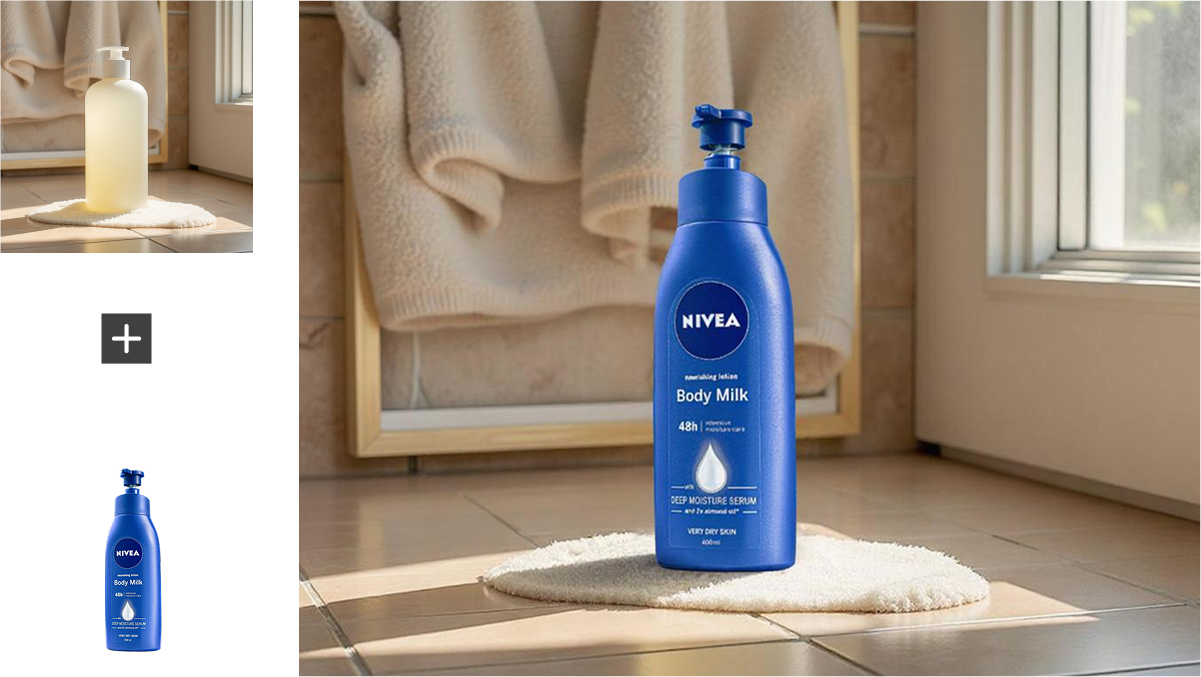
드랩아트 AI 합성의 핵심은 시각적 선택이에요. 텍스트로 설명하는 대신, 이미 완성된 고품질 이미지에서 마음에 드는 배경을 고르기만 하면 돼요. 이는 기존의 이미지 합성 AI 방식보다 훨씬 직관적이고 쉬워요.
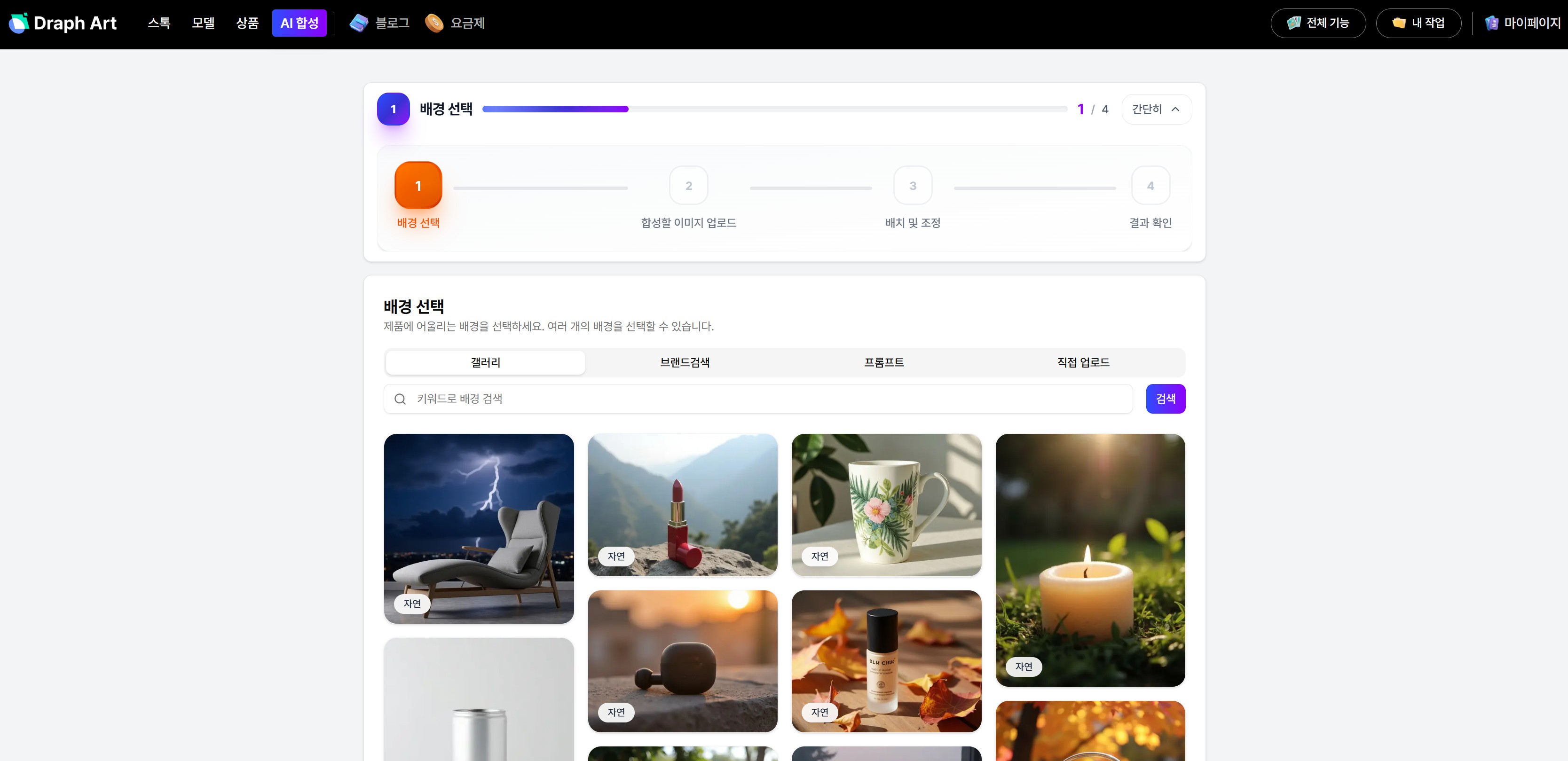
무료 이미지 스톡에서 선택하는 방법
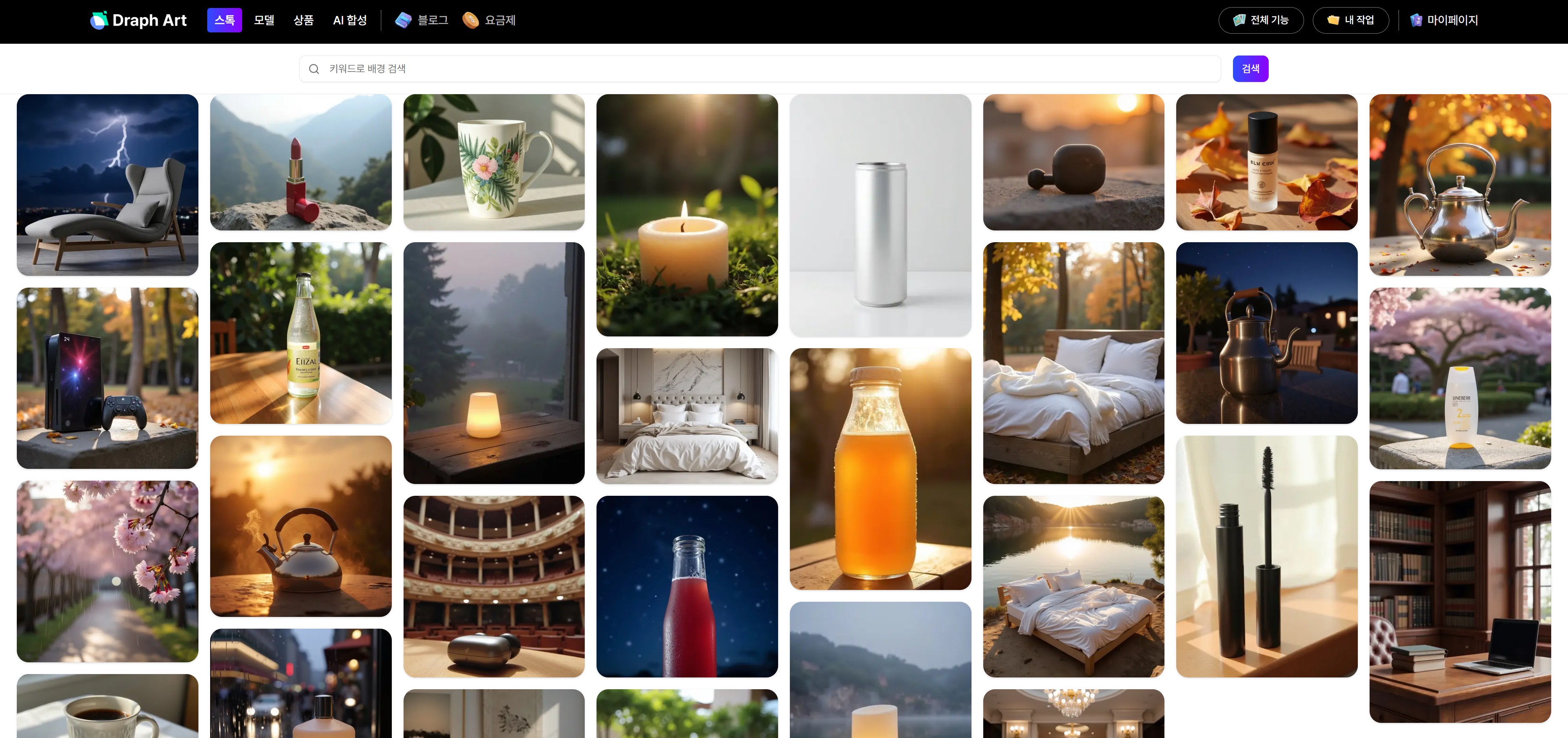
드랩아트는 수십만 장의 저작권 프리 이미지를 제공해요. 카테고리별로 정리되어 있어서 원하는 스타일을 쉽게 찾을 수 있어요. 여기서 마음에 드는 배경을 선택하고, 내 제품이나 아이템을 업로드하면 AI가 자동으로 자연스러운 합성을 해줘요. 누끼따기 작업도 자동으로 처리되기 때문에 별도의 편집 작업이 필요 없어요.
브랜드 검색으로 트렌디한 스타일 찾기
특히 흥미로운 기능은 브랜드 검색이에요. 실제 SNS에 올라온 브랜드 이미지들을 검색해서 그 이미지를 가져와 AI 합성을 할 수 있어요. 예를 들어 "무인양품", "이케아", "스타벅스" 같은 브랜드명을 검색하면 해당 브랜드의 실제 이미지 스타일을 확인할 수 있어요. 이는 프롬프트로는 구현하기 어려운 실제적이고 트렌디한 스타일을 쉽게 적용할 수 있게 해줘요.
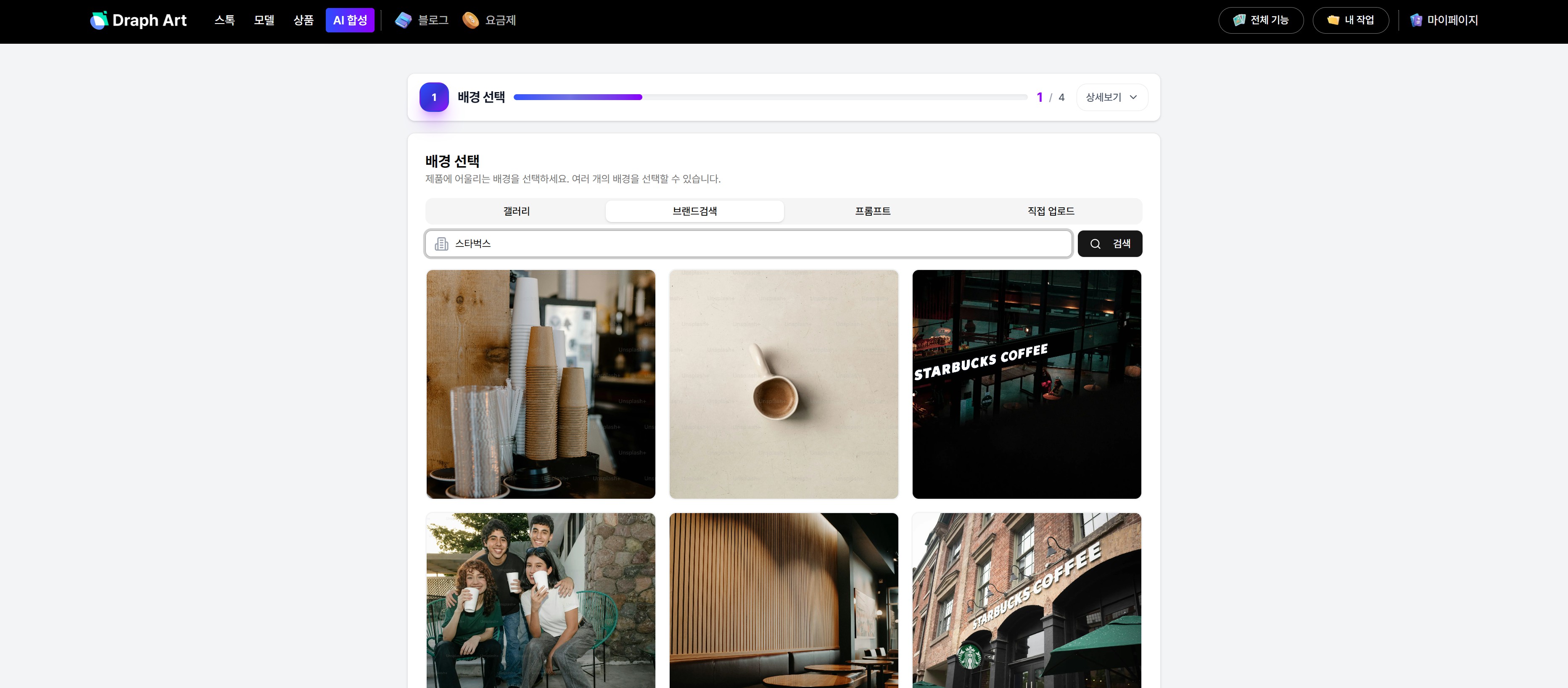
이처럼 드랩아트의 AI 합성 기능은 복잡한 프롬프트 작성 없이도 높은 예측 가능성과 전문가 수준의 결과물을 얻을 수 있게 해주는 혁신적인 방법이에요.
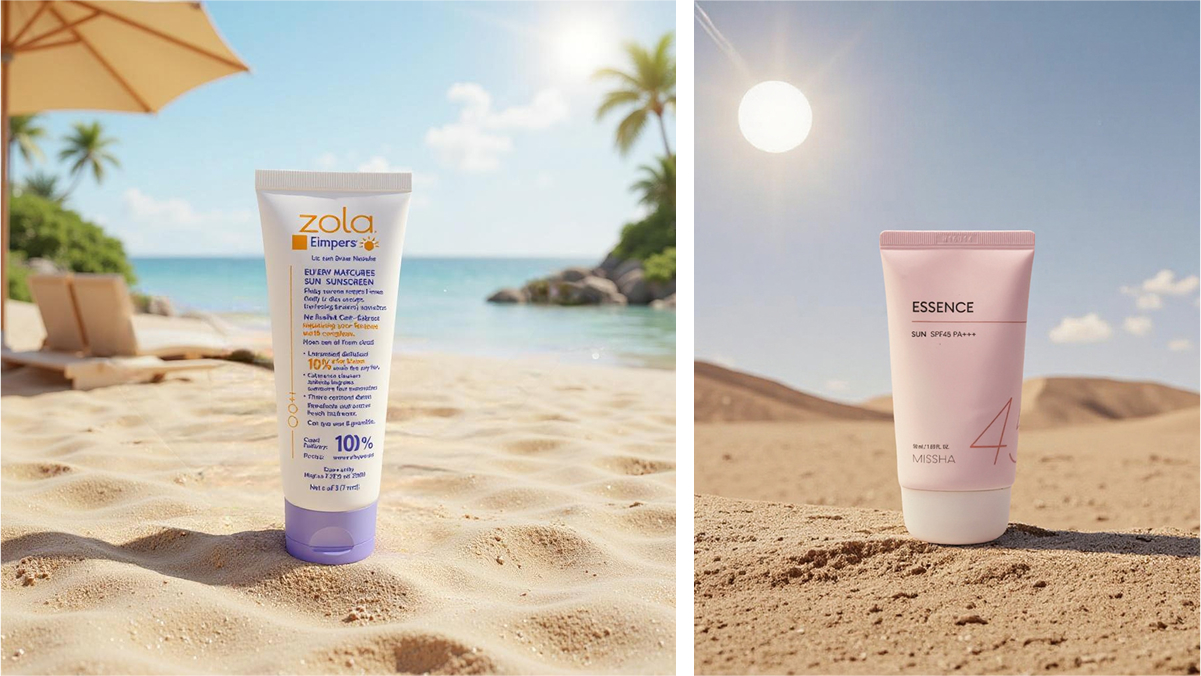
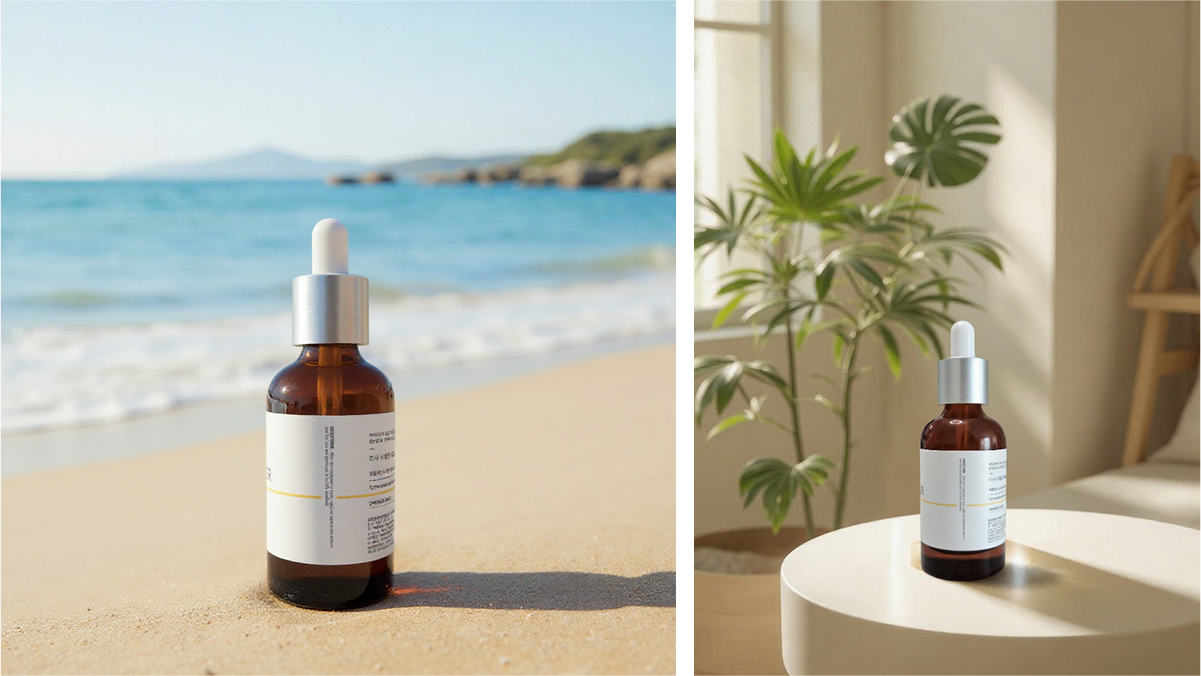
프롬프트 작성법의 기초를 익혔다면, 이제 더 구체적인 활용법과 고급 테크닉이 궁금하시죠? 2편에서는 상황별 프롬프트 예시와 함께 드랩아트의 AI 모델 기능을 활용하는 방법까지 자세히 알려드릴게요!

.jpg&w=1920&q=75)